
(When the opposition gets into power in any country)
I wanted CHANGE!
I was given POWER – for a change.
That is ENOUGH change.
Why do you want MORE change?

(When the opposition gets into power in any country)
I wanted CHANGE!
I was given POWER – for a change.
That is ENOUGH change.
Why do you want MORE change?
1973-ban, 17 évesen ott hagytam a gimnáziumot és beiratkoztam egy esti gimnáziumba, elköltöztem otthonról, és megpróbáltam eltartani magamat. Mindenféle munkát kipróbáltam, szociológiai interjukat készítettem és gépeltem, kis ideig gyárban dolgoztam, vízóra leolvasó is voltam, és elmentem a Képzőmüvészeti Főiskolára akt modelnek. Az Epreskert az a Képzőmüvészeti Fóiskola kertje, de sokszor az egész főiskolára így szoktak hivatkozni. (A képet a szobrokról ott készítettem mostanában.) Ezt a munkát csak három napig bírtam ki, de utána 3 hónapig írtam ez itt közölt írást, hogy kielemezzem, kiírjam magamból ezt a furcsa tapasztalatot. Megmutattam ismerőseimnek az írást, az egyik barátnőm aki több éve volt ugyanott akt modell azt mondta, hogy 3 nap alatt rájöttem arra, ami neki egy évig tartott. Utána szamizdatként terjedt az írás Budapesten, ami azt jelentette akkoriban, hogy akinek tetszik, legépeli 5 példányban vékány papíron, ezeket tovább adja másoknak, akiknek egy része szintén legépeli 5 példányban és tovább adja. Nem tudtuk hány példány terjengett az ilyen korai szamizdatokból, és hányan olvasták el. Ez egy igazi demokratikus formája volt az írások terjesztésének, csak az olvasók dönöttek arról, hogy mit akarnak tovább terjeszteni, semmi ‘fentről’ jövő döntés nem volt a folyamatban. És persze egy irógép is kellett hozzá. De az volt a hátránya, hogy csak a saját ismeretségi köreinkben tudtuk terjeszteni a nekünk tetsző irásokat.
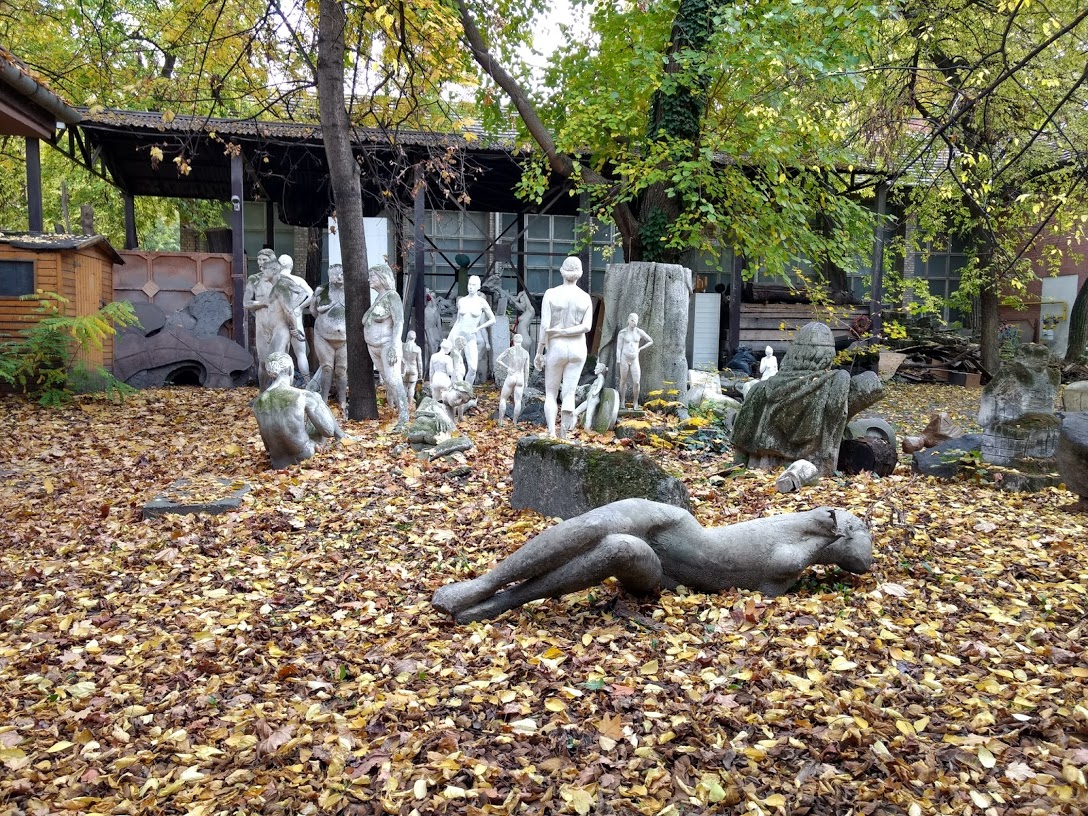
A nézésekből éreztem meg mindent. Ahogy rám bámultak, sose vettek észre engem. Rettentően unatkozva ültem az előírt pózban, és eleinte nagyon megörültem, ha alaposan megszemlélt valaki. De újból és újból észre kellett vennem, nem engem néz, engem nem lát, én rám nem kíváncsi. Mert az akt modell az egy idom, több nem lehet, minek is lenne? Akiben van valami, miért jönne modellnek? Csillagállása, szerencséi más kasztba osztották. Ott van a helye.
Mikor eldöntöttem, hogy ezt a munkát próbálom ki, volt egy olyan fantáziám, hogy segíteni fog abban, hogy a meztelenséget természetesnek vegyem. Az az igazság, hogy féltem attól, hogy meztelenül megjelenjek egy csoport képzőművész diák előtt, vagy bármilyen ember csoport előtt, de azt gondoltam, fontos a félelmeimet leküzdeni. Azt sejtettem, hogy a folyamatban passzívvá kell válnom, de mégsem tudtam elképzelni ennek a paralizáló hatásait.
Amíg ott ültem mozdulatlanul, átéreztem, hogy én csak a festés eszköze vagyok. Szerepem nem több, mint a háttéré. Az, hogy ki – vagy inkább – mi vagyok, csak annyiban fontos, mint ahogy a háttért alkotó tárgyaknak is fontosak a jellegzetességeik. De ennek csak a festés technikája számára van valami jelentése, önmagam és mások számára nincs, beszélni és reagálnom nem szabad, nem kezdhetek, és más se kezdhet velem semmit, nem használom, s nem adom magamat. Így én nem, csak mint egy önmagamtól független eszköz: tárgyként létezem.
Talán elviselhető lett volna olyan tárgy lenni, amiben legalább a kép szempontjából érdekes, hogy milyen vagyok. De nem engedték meg, hogy rám-jellemző tárgy legyek. Mert, szerény tapasztalatom szerint, a Képzőművészeti Főiskolán az emberből csak a tárgyak jellemzőit ábrázolják, csak ezekre figyelnek, az a lényeg, hogy milyenek a domborulatok, homorulatok, vonalak, hogyan aránylanak az idomok egymáshoz, hol vannak a fények, mely testrészek vannak árnyékban. Ami ennél több, azt nem tudják mire használni. Sőt, az emberen kívüli világot is így nézik, és így ábrázolják. Mert annak a nevében, hogy először megtanulnak lefesteni mindent úgy ahogy van, pontosan úgy, ahogy látják, egész környezetüket csakis idomok halmazaként ábrázolják.
Mindenkinek természetes volt, amikor az egyik lánynak – aki a fejem rajzolásakor odafigyelt arra is, hogy ő mit lát benne(m) – a tanár, akit ’Master’-nek hívnak, azt mondta, hogy „túlságosan karakteres a fej, homályosítsa el, mert egy akthoz nem lehet karakteres fejezet rajzolni”.
Egy másik akt modell egy agresszív kinézetű idős bácsi volt. Engem zavart, hogy a róla készült képeken semmi sem jelent meg a bácsi agresszivitásáról. Gondolom, ő rajta is csak az idomokat nézték. Azt hiszem, a Képzőművészeti Főiskolán a diáknak a modellt álló emberből a saját számára meg kell szüntetnie az embert, a személyiséget, és közben önmagában elfojtani mindazt, ami köze lehetne ahhoz a másik emberhez, akit épp ábrázol. Ezt eredetileg a technikai tudás elsajátítása nevében teszik. Amennyiben a művész-diák beleragad ebbe az elidegenedett viszonyba, akkor művészként nemcsak az alkotása tárgyához, hanem saját magához is meg kell szüntetni a viszonyt. Képeket fog produkálni, melyekben se a modelljei, se önmaga igazából nem szerepel. Hogy az önmagát érintő alapvető dolgokhoz csak technikai viszonya lesz, az már azt hiszem elég nagy támadás lehet maga ellen a festő ellen is, és kétlem, hogy amikor már 5 éves tanulás után megengedheti magának, hogy elővegye a lelkét is, lesz-e mit elővennie.
(Mindez ott történik, ahol a legfőbb kiváltságosok kiváltságait azzal igazolják, hogy ők adják az érzékenység, a lélek anyagba öntött másait az emberiség számára – és az emberiség a neki adományozott fenségesért cserébe dugja csak a jótevőik szájába a sült-csirkét. Azon a helyen történik, ami egyetlen igazi lehetősége az alkotni vágyó képzőművész jelölteknek az alkotásra. Tetszik, nem tetszik, máshova nem mehetnek, ha csak nem akarnak lemondani vágyuk megvalósulásáról azért az illúzióért, hogy egyszer majd maguktól is megteremtik a nekik kellő lehetőségeket a független alkotáshoz. Ez hány embernek sikerül?)
Amikor az elején megéreztem, hogy összekevertek a mögöttem levő fűtőtesttel, vagy asztalnak vettek, még hittem abban, hogy nem vagyok én se asztal se fűtőtest. Azt hittem, védekező fegyveremmel magamban leteríthetem az ellenem támadókat. Fegyverem egyszerű: belül élni fogok, magamban. Gondolkodom, vagy aktívan pihentetem a fejemet, például kellemes dolgokra gondolok, vagy pusztán az érzéseimre figyelek és ezekben majd elveszem. Nem hasonulok a kifelé létező magamhoz, ahhoz, ahogy mások látnak engem.
De ezt az illúziómat a 4 x háromnegyed órás teljes merevség néhány hatása döntötte le. Mert a semmittevés kényszere, az unalom, a zsibbadtság, a testemről átmegy a fejemre, lebénulok, kiürülök, és a kellemetlenség rossz érzése ural el. A legaktívabb szellemi tevékenységem az volt, hogy utálkoztam az állapotom miatt. De tudtam, ha másnap megint eljövök ide dolgozni, akkor ez csak öncséplés: magam kikészítésének semmire se jó kiteljesítése.
De ha mások üres tárgynak vesznek, és én is annak élem át magam, akkor hogyan tudnék másként viselkedni? Egyébre nem képes tudatomnak is a legkönnyebb elfogadni a rám terpeszkedő szerepet, azonosulni, belenyugodni, ne is akarjak több lenni. Mint általában, a sztereotip szerep hatalma most is akkor döbbentett meg igazán, amikor már teljesen legyőzött. Az első nap az egyik szünetben, a művész- jelöltek és a ‘Mester’ beszélgetett, és én megszólaltam. Mivel szünet volt ruhában voltam, és ilyenkor emberebbként léteztem közöttük. Mindenki megdöbbent, hogy meg mertem szólalni, de mégis a legjobban én csodálkoztam, hogy én, aki modell vagyok, úgy csinálok, mintha velük egyenrangú volnék, meg merem mutatni, hogy én is gondolkodom, bele merek szólni a beszélgetésükbe. Ahogy rám néztek, elszégyelltem magamat.
Ezután a zavar után, mikor valaki olyasmit mondott, amihez szerettem volna hozzászólni, egyszerűen nem mertem megszólalni, pedig úgy gondoltam, fontos lenne hallaniuk ami mondani szeretnék, és bármilyen más társaságban elmondtam volna a véleményemet. Emiatt az öncenzúra miatt még jobban szégyelltem magamat. Tudtam, felvettem egy szerepet amivel nem értek egyet, de mégis, minden önagitációm ellenére képtelen voltam még egyszer megszólalni. Persze ez tűnhetne csak az én gyengeségemnek – egyéni problémának. De nem az. Hanem, az ellenünk törő erők hatalma.
Amikor erősen bámult valaki, úgy éreztem, kétféle módon néznek. Vagy azt méricskélte hunyorítva az ecsetével, hogy a különböző testrészeim hogyan aránylanak egymáshoz és ezt hogyan tudná vissza adni a papíron. Vagy pedig azt nézte, hogy tetszik-e neki testem, ha fiú volt: lefeküdne-e ezzel a testtel, ha nő volt: konkurenciát jelent-e ez a test az ő teste számára. Amikor ilyenkor újból és újból átéreztem tökéletes nem-fontosságomat, csak a tehetetlenség keserű dühével fordultam magam ellen: “mit vártál mást?”
E nézésekből az is világossá vált, nem pusztán jellegtelen tárgy vagyok. Egy tulajdonság, egy mérték mégis maradt rajtam: a szexuálisság. Mert a szexuállisság az egyetlen tulajdonság amit a nő tárgyszerűsége nem zár ki, sőt, tudatunkban összekapcsol, s mert ennek folytatásaként az általános prűdség miatt általában bűnösen-túlzottan-szabad szexuális lényt asszociálunk a modell szóhoz. Ezt bizonyos körökben ’kurvának’ nevezik, más körökben ’felszabadult nőnek’.
Mikor észrevettem, hogy méregetem magamat a képeken: legalább ‘jó nőnek’ látnak-e, és figyelem a fiúk arcán az esetleges megkívánás jeleit, akkor értettem meg, hogy helyzetemben kárpótlást legegyszerűbben a szerepben való legocsmányabb elmerülés és tetszelgés jelenthet, a szexuális tárgyként jó minősítés adhat: a szép vagy csúnya, megkívánnivaló vagy sem szférában különbözhetek, itt szerezhetek sikereket (vagy nem), ebben érezhetem csak, hogy mégis létezem. A nézésekből, mozdulatokból megérzett, kimondott vagy követelt vágyakból tudott értékelés csak a hiúságnak kellemesebb folytatása a vásárban levés tudatának, mert a heti modell piac előzi meg. Ott, ha pechem van, megtudhattam volna, hogy testem forgalmi értéke nem elég magas az önmagam eladásához. De minthogy bekerültem, már az elkelt áru öntudatával vigasztalhatom magam mindazokért a veszteségekért, amikkel fizetnem kell a fizetésem megszerzéséért.
Beismerem, ez a szempont is csábított amikor idejöttem. Mert hiába próbálom meggyőzni magamat: szép testet látni jó, mint ahogy egy szép tájat vagy felhőt is lehet csodálni – látványként. Mindegy, én szép vagyok-e, mindegy kinek a látványát csodáljuk. Ezzel szemben testem, arcom jellegén rajta van az, hogy milyen vagyok én. Ez a fontos. Nem az a jó, ha valaki a testem miatt akar lefeküdni velem, hanem ha én miattam, amiatt, aki egészben vagyok. De mindeddig hiába agitáltam magam: nagyon jól esik, ha akárcsak a testem miatt szépnek, kívántosnak tartanak.
Egyre inkább félek attól, hogy hiúságom eltévelyedettsége elleni hadakozásom teljesen hiábavaló. Mert ha rádiót hallgatok, újságot olvasok, filmet nézek, de néha még barátok között is, iskolában, munkahelyen, villamoson vagy vonaton odafigyelve miről beszélgetnek és miről viccelődnek az emberek, vagy ha reklám vagy valami női magazin kerül a szemeim elé, pontosabban bárhol, ahol nőkhöz viszonyulnak, onnét mindig olyan hatások érnek amik azt sugallják: a nő legfontosabb mértékegysége a férfiak szexuális vonzalmának foka. Ezt a vonzalmat kiváltó állítólagos okokat tízparancsolatként propagálják a nőknek annyira, hogy nem lenne csoda, ha a nők már a fogyásért szeretkeznének.
Ebben az ocsmány színjátékban a modellség meg is tette a kívánt hatását. Mert testemmel foglalkoztak, akárcsak puszta idomként, de legalább eszköznek elfogadták, és a szerep kényszere miatt ’nő’-ként viselkedtem, ami mindig automatikus elismeréseket vált ki – ezért most könnyű ’nőbb’-nek venni magamat – és vesznek engem.
Azt hiszem, valahol itt van az oka a nő modellek jóval magasabb számának. Mert a férfiak érvényesülése számára több terület van, így a férfiakat kevésbé csábíthatja ez a passzívság, ritkán lehet számukra elégtételt nyújtó perspektíva ez a fajta ’elismerés’. A nőknek sokkal természetesebb a modell helyzet, benne csak kiéleződik létezésük alap formája: ezért éreztem, minden dühöm ellenére otthonosan (szarul) magamat ebben a szerepben. Hogy mégis dühödtebben hagytam ott ezt a munkát, mint ahogy a mindennapjaimra reagálok: ennek oka is csak abban van, hogy itt nyíltan, élesen érezhető ami máshol tompább, rejtettebb, és látszólagos kibúvókkal kicsit elfedett.
A meztelenségről szőtt ábrándjaim átejtettek. Rá ébredtem: a meztelenség mindig, mindenkinek természetes lenne, ha úgy nőnénk fel. De mi egy több ezer éves hagyománytól kényszerítve, azt hisszük, úgy kell csinálnunk, mintha nem lenne természetes, mintha jogtalanság lenne másoktól, ha meglátják testünket. Nem a meztelenség, hanem a feszélyezettség kötelező volta feszélyez bennünket. Ha egy nőt véletlenül meglát egy férfi meztelenül, például rányit egy fürdőszobában, a nőnek úgy illik viselkednie, mintha a férfi elkövetett volna valamit ellene, még akkor is ha a férfi nem számított arra, hogy a nő ott lesz a fürdőszobában. Ezt az ’ellene’ érzést szeretném megérteni.
Tévesen hittem, hogy a megszokás hiányzik nekem, most már tudom, nem a megszokáson és az időn múlik, hogy természetesnek érzem-e magamat meztelenül. Mélyebben van bennünk a hagyomány gyökere. Modellként az első pillanattól természetes volt, mert jogom volt hozzá, ezt várták el tőlem, de munkaidőn kívül továbbra is ugyanúgy reagáltam mint a társadalom többi tagja, ha egy erre föl nem jogosított férfi meglátott meztelenül. Így próbálkozásom nevetséges volt, magam megváltoztatását ilyen könnyedén nem, csak radikálisan oldhatom meg: orvosság pirulák helyett dinamittal kell kezelnem magam, amíg még nem késő. Célt nem értem semmiben. Kevés pénzzel, s a továbbiak bizonytalanságával jöttem el.
Ott hagytam ezt a szörnyű munkát három nap után. Elkeseredve, mert tudtam, hogy a legtöbb munkában az egész játékért igazából magammal fizetek. Hiába nem fogadtam el, hogy modellként a létezésem fenntartásáért adott ellenszolgáltatásom önmagam túlságosan mély elásását jelentené, hiába hagytam ott a Főiskolát: kiugrás vágyam fölcsattanásával csak egy fricskát adtam magányos kiugrásom lehetetlenségének. Mert mit csinálhatnék mást, minthogy most újból munkát keresek, fontolgatom, addig is, míg vágyaink megvalósításával szét nem rúgjuk teljesen, bűn-szövetkezetünk melyik pontján vesztenék és vesztetnék a legkevesebbet.
Ezt dalt most találtam a YouTube-on. Szintén egy lányról szól, aki a Főiskolán volt akt modell.
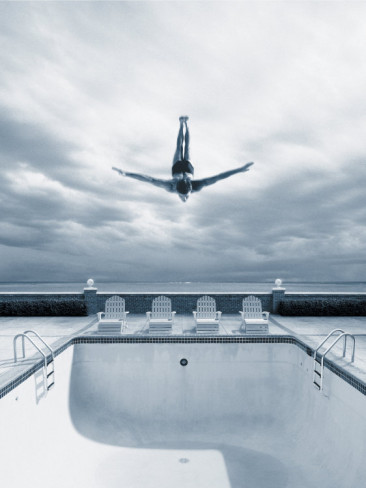
I had a dream about three years ago. I am standing, among about fifty other schoolchildren, near the edge of a swimming pool. The teachers, middle-aged frightening men, especially one of them, with a big, strong, terrifying body vibrating brutality, are hanging around at the front of the pool. In a few minutes they are going to order us to go to the very edge of the pool, to stand ready, and the brute teacher orders (“ready, steady, go!”) to dive into the pool, head first.
I notice, there is NO WATER in the swimming pool. It is very, very deep and, of course, grey concrete at the bottom. Everyone is near enough to see that there is no water in it. And no one is doing anything about it. We are supposed to get readier and readier to dive, the teachers are getting readier and readier to give the order. I look around, everyone is pretending that everything is fine. I’m thinking of making a big fuss. Thinking I’ll start to shout: “There is NO water in the pool!” or “Don’t dive!” I’m hesitating: shall I collaborate with the teachers by turning to them? I am terrified of having to act alone, I wish I had not noticed the no-water. I am dead scared of turning to the other children, though I despise myself for not daring to do it.
I go to the main teacher, the brute with the big body. I tell him, that there is NO water in the swimming pool. I tell it in a frightened way, implying, communicating, that I do know that I am guilty of causing trouble, so somehow with my voice withdrawing what I’m saying with the words. He gets angry. He does not even react to the content of what I told him. He does not specify my sin: I knew it, and had already implied this knowledge, my bad-conscience in how I talked to him, in how I held my body, in how I felt about myself while talking to him. All he communicates to me is this: it is right that I am scared of him, I should not occupy myself with anything else than the fear of him.
I go back to my place, feeling ashamed of myself. Ever since I noticed there was no water in this extremely deep pool, I have had a voice in my head saying there probably is water in the pool, but I can’t see it. Another slight voice in me was saying that probably in a minute water will start flowing into the swimming pool.
The minutes are passing. Complete madness, what is happening, my school-mates, they must see it, they must know it, why don’t they do anything, why are they turning their heads a bit away from the bottom of the terrifyingly empty pool, pretending to look only towards each other, and light-heartedly chatting with each other? – I feel nauseated by the fear which stops me from acting. This fear mixes together with the struggling of my uncertainty, whether there is or isn’t water in the pool, and merges into a strong dizziness. Finally I can experience only the dizziness, and all the other feelings, thoughts and doubts are disappearing into the background.
The brute teacher counts. I and my schoolmates stand at the very edge of the pool, we all bend down our heads, lift up our arms, ready to dive. The man counts: “ready, steady” – I secretly lift up my head a little bit to look around while pretending to be ready, I still hope they won’t dive, and I hear: “go!”. I see all the children have dived, they are in the air, nearing their death, and suddenly I think, if they all have dived, I must be wrong, so I DIVE TOO, I am in the air, falling towards the grey concrete bottom of the pool, among all the other schoolchildren.
This article was published in Prague by ‘New Presence’, a well-known Czech journal with a long history. It has Czech and English editions, and my article appeared in the English edition of November 1999. I met the editor that year when I walked into his office in Prague and handed him a different writing I wrote earlier, which he immediately published. Then he asked me to write an article about feminism in Hungary. I told him I could not write about this subject as I left Hungary in 1978 and did not really know what was going on there. But I would be happy to write about how I met feminist ideas initially in Hungary during the 70’s and how I became part of the feminist movement in England in the 80’s and what I thought about it. He agreed. This article is the result. Later I heard that a Russian feminist group shared it on their website. However, to my knowledge, in Hungary it has never been published in any form. However, it has been translated by Zsófia Medgyessy, and I have posted the translation on this platform, under the title: “A feminizmus és a ringlispil”
When I was a child, about 5-6 years old, I was occupied with death, and with the question, what happens after death? I used to ask my mother about it. I did not admit that understanding death itself was my painful subject, I just used to ask her about what happens after death. She used to say, that there was a Heaven and a Hell waiting for people, and we, the members of our family, and all our friends would definitely end up going to Heaven.
My next question was: is there a ‘ringlispil’ in Heaven?
Ringlispil is the Hungarian word for a special swing, although the word comes from the German language. This amazing swing takes you high up in the air, and it turns you round and round making large circles. You can find them in Hungarian fairs. Those days I was living in Budapest, and was lucky to grow up on one of the Buda hills, called Gellérthegy. A part of Gellérthegy is known as Tabán, and when the fair arrived there once a year, for me it was as special as Christmas. Because of the central position of Tabán overlooking the Danube and the historical centre of Budapest, if you were riding the Tabán ringlispil, you had the most amazing views. Depending on the actual position of your swing while turning round a large circle, for a few seconds you could see Central Pest, then the Danube, then the Eastern or the Western end of the town, then the park and trees around you. I could not imagine anything more beautiful.

I wanted to know if I could continue riding the ringlispils after I die. My mother honestly answered, that she thought there were no ringlispils in Heaven. She said, the body did not go to Heaven, only the soul.
I decided I did not want to go to Heaven. Ringlispil was for me the symbol of happiness, a happiness of mind and body together, calm ecstasy. Of course, I did not put these words together when I was a child. The experience meant for me the ultimate joy of life. My mind melted from the feeling of highness, speed, dizziness.
Later on in my life I forgot this question. I have never been as occupied with the question of death as I was when I was a child. I forgot my other ‘metaphysical’ questions too, like what makes me, or any human being into an individual? Does the universe have and end? And so on.
In my teenager years I kept the idea of the ringlispil without using this word. Instead, I started to admire people like Janis Joplin, and was dreaming about sailing through the world on a motor-cycle. So ringlispil offered the type of experience which I wanted (at least occasionally) from life. I did not want to be a hedonist, going on this or that type of crazy swing every day or every hour of my life, but I wanted to have a life and a type of personality, which is able to enjoy this type of experiences. Enjoy it, create it, and offer it to others. In other words, I did not want to become a bore. That was my worst nightmare: to have a boring life, and a boring self.
It was clear for me when I was about 14-15, that marriage was boring. It was also clear for me that I did not want to become a type of woman whom men hate. Listening to jokes – ordinary jokes told on trains, on the TV, read in joke-papers, it was clear: men hated wives. So I decided that I would never become a wife, and would never marry. I wanted children, but I thought I would live together with other young people in some type of commune. I wanted to be attractive, but I was convinced I was very ugly, and I had this intellectual up-bringing which taught me that my worth was measured by the number of books I read, so I was reading day and night. I thought, my prince would find me if I become very clever.
At the age of sixteen I met a woman called Julia Veres, who had read lots of American feminist books and articles and she wanted a collection to be published in Hungary. She wrote a few page summary in Hungarian in order to present it for publication. This was in 1972, Budapest. She told me, at several publication houses the editors laughed at her. No one published in Hungary any feminist materials that time, as far as I know.
I became so enthusiastic about her summary of the feminist writings that I was showing it to all my friends at my Secondary School. I went further and proposed to present the ideas in a special History Seminar, and for my surprise the (male) teacher offered one of the seminars for me to talk about these feminist writings. Despite his positive response it was clear for me that I was potentially making myself a target of ridicule by others. However I remember that during the classes (other classes, e.g. maths or language), me and my friends used to read the pages as we passed these to each other secretly under the tables and chairs. At least while they were reading the summary my school-friends were completely immersed in it.
For me, these pages gave me the first words and theories to describe and justify the gut feelings I had against marriage, against living under the power of a man, against all the hypocrisy which was well known.
During the next few years I became a bit mixed up, due to my participation in the soul-killing social life of the young opposition and young cultural underground world in Budapest. The sexual relationships and the partnerships were usually destructive, and people were virtually forcing each other to accept the morality of the ‘sexual revolution’ – which I tried, but I never fitted into it. The political opposition around the mid-70’s was asleep in Hungary, many of it’s members were depressed, emigrated or committed suicide, in large numbers. Hungary (with Japan) was leading the World- statistics in suicides those days. There was almost no action, and the atmosphere was suffocating – at least that is how I experienced it. I decided to emigrate, to escape a slow death.
I arrived in England in 1978, age 22. In England I was among the very-very few Hungarians who emigrated alone. I have only ever met three others who came alone. Most Hungarians arrived with friends, partners, or they came to the UK to marry an English hero or heroin. And emigrating on your own is a completely different experience. It is a psychological suicide, as a friend warned me on my arrival. It also throws you into the deep water – the few of us who arrived alone got to know the local scene better, and we all happened to prefer the radical edge. For example we all got involved in squatting for awhile (living in occupied flats).
I only had a short association with Hungarians. During the first month I was living in the kitchen of a small house occupied downstairs by about six Hungarians and upstairs by about 10 New Zealanders. Even that kitchen was shared between another woman and me. They sent me on my way soon, and I also felt it was time to start to avoid Hungarians, so looked for English people and foreigners. I was ready for adventure, was hungry for experience and learning. About half year after emigrating I became pregnant and I decided to search for my ideal commune. Not finding any decent commune in London I travelled to Wales, Scotland and Ireland to find ‘my people’, whom I would instinctively like, and who would be living together in the way I dreamt about. I visited at least fifteen communal set-ups, and did not like them. Eventually I accepted my defeat, and settled down on my own with my baby-daughter in a council flat.
During the first years I got to know academic, religious, socialist, pacifist, anarchist, right-to-work, right-to-not-work etc crowds. I did not find anything convincing or attractive about any of these groups, I was getting increasingly disappointed. I found their ideology lacking (in just about everything). \on s human level there was no warmth or spontaneity. Even the anarchist groups felt too formal. Finally I found a few feminist lesbian women who wanted to set up a home-made small nursery (crèche) in their own house, and I wanted to join them.
For about a year we were running the crèche together. We had five babies, we paid an extra worker and we all worked in the crèche one day/week. Through these women I was thrown into the middle of English feminism, how it was, at the beginning of 80’s. Despite the fact that I did not become a lesbian, I started to get involved in conferences, newspapers, parties – where just about everybody else were lesbian. A large number of these women were ‘separatists’, which meant they wanted to avoid men altogether. Although several of them had sons, they said, they were happy to bring up their sons, because their sons would become the example of men-kind (kind-men). These children were often the products of earlier relationships, although some of the kids were created by artificial insemination. My new friends did not allow adult men coming to their house, and they tried to work in women’s environment. They said that the whole society was arranged in a way that women had to spend all their energies ‘looking after’ men, worshipping and serving them, tolerating their stupidity, their violence, taking humiliation – and they wanted to spend their limited energy on, and with women. This was OK for me.
One evening I was in the living room of my friends baby-sitting for their children, and I opened a book. Suddenly I saw that I was damned: it said, I was ‘sleeping with the enemy’. I was shocked. I never thought, and would never accept to think that the men I slept with in my life were my enemy. I slept with them, because I loved them. Why on Earth should I think about them individually, as my enemy? But at the same time I felt really awkward. I imagined that these women always thought about me that I was betraying them. I felt I would not be able to face them the same innocent way as before. I also feared that I could not argue against their argument, because logically speaking they were probably right. If men oppressed, exploited and humiliated women (even if not all of them did), then the choice of heterosexuality exposed me to the blame that I was maintaining that oppressing system.
A mental battle began. I felt I had to prove them wrong. I started to write, first just to clear my mind. I wrote something which I still keep, which is a bad writing, but it was my half-successful attempt to safe my soul and my heterosexuality. By that time a number of women approached me, and I started to feel strong attraction and love towards a woman, although nothing ever came out of it. But that experience convinced me that the type of sexuality we have is the produce of social-learning and expectations. Anyone’s could change. I always thought that we were all basically bi-sexual, or have bi-sexual tendencies, but for some reason we are being pushed in one or another direction (with a number of people choosing both sexes).
My main argument against my friends was, that there were many types of oppressions and exploitations, and there was no reason why we should choose women’s oppression as the most vital one. My writing aimed to attack any movement that tried to decide, which was the most important oppression, usually by generating a hate-campaign against a specific group of people or institution. The socialists claim the devil is Capitalism; Trockists claim it is Stalinism; anarchists claim it is the State; feminists claim the problem is Men; certain anti racists claim it is White people as such; pacifists might claim War. I was arguing that feminist women created a pathetic ethos, claiming that they “loved” ALL women – while in reality there were many reasons why they might belong to different groups who oppress or exploit each other (e.g. social class, privileges). A rich feminist woman can live off the work of another woman, if not hundreds or thousands of other women – so why claim she “loves” them? I also argued that women, inc. feminist women might have lots of reasons to compete with each other, e.g. trying to prove who is MORE feminist.
Gradually I moved away from them, as I have disappeared from every other political or other movement, big and small group, which made me curious for awhile in my life.
My feminist-lesbian friends also felt disappointed in me, because even after years of friendship I kept myself different. I constantly broke the rules of engagement, and I argued with everyone. Even worse, I moved together with my long-time partner who was a man, and soon gave birth to two more children, both incredible beautiful and lovely boys. I was told off for “selling out” by one of the women (who had a child by artificial insemination and was living together with another woman in a traditional marriage-like-suffocation, which I used to experience in their house several times weekly).
My last involvement with feminists happened through the peace movement. One day in the middle of the night, an old hippie friend knocked on my door. She wanted to know, if she and about ten other people could sleep in my flat, as they were going to create a peace-camp the following day in Jubilee Gardens, in the heart of London. I let them in and next day I went with them. I thought politically they had not much to say, but they were a very nice bunch of people. The peace-camp was good fun, there was tasty vegetarian food cooked together. I almost felt I found my dreamt-about communal life. My daughter also loved the playful lively village-atmosphere, as there were many other children around and many nice adults to give attention to little children. This was the time of the Greenham Common Women-only Peace-Camp. Things were different, and many people had this feeling of optimism, that they were changing history.
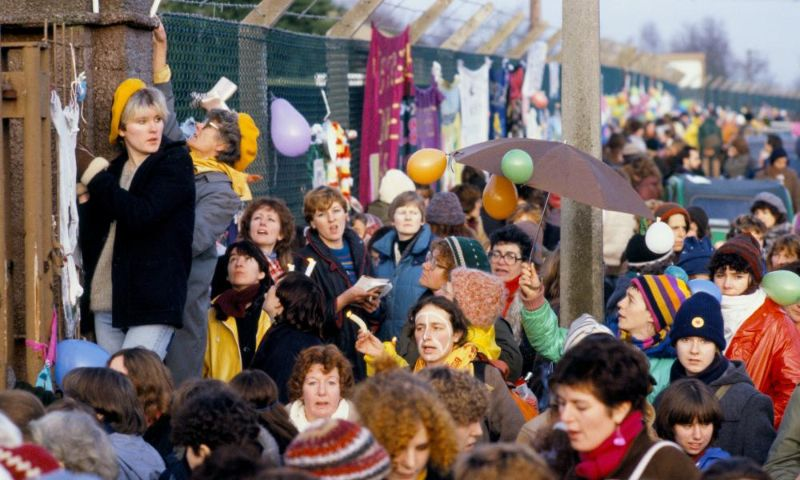
( The picture shows a demonstration organised by the Greenham Common Women’s Peace Camp around the US nuclear military base in the UK. Early 80’s. I found this photo on the internet. I think the woman in the middle, with white CND symbol painted on her face, is me)
Unfortunately at the Jubilee Gardens Peace-camp the idyll was disturbed when skinheads attacked our camp, they tried to stab some of the sleeping people from the outside of a tent. We moved back home.
From these pacifists I heard about a meeting organised about ‘East European women and the peace movement’. That made me curious. By that time (1982) I started to forget the fact that I was from East Europe. I hardly sew any Eastern Europeans for years. For the ordinary English feminist women whom I knew earlier, it was absolutely meaningless that I came Hungary. I was a woman, end of story.
So dying with curiosity I went to the meeting, which took place in a University. There the women decided to organise a whole day conference on the same subject. I offered to help, but I felt funny. I did not know why. During the organising process I felt over-powered by the perspectives of the English women, including women who told us their parents were from Eastern Europe but they were born here. I could not find anyone to identify with, but I was not yet able to articulate what was bothering me.
The conference took place. I don’t remember the details, but I clearly remember how awful I felt during the whole day. Like an alien. I did not feel the discussions were relevant to me at all. I could not recognise the Eastern Europe they were talking about, it was a fiction, full of their Western projections.
It took me years to understand why I felt so horrid during that conference. And also, to understand why I don’t want to be a ‘feminist’, while I am a feminist. Now it is simple. But those days, it was agony.
Last year I went into a bookshop, and I noticed a large book on display. It had something to do with women all over the world, perhaps “The end of feminism”, or something similar. I opened it. I looked through the chapters and among the about 20 subjects I managed to find one concerning Eastern Europe. The rest was about (and written by) women in England, USA, Africa, Ireland, Asia, the situation of Muslim women etc. A woman with an English name wrote the only chapter about Eastern European women. I got very upset, just seeing her name. Then I looked at what she had to say. It started with the usual cry: Why women in East Europe don’t want to become feminists?
I became red with anger. I shouted with them inside my own head: “You big-headed, patronising, cultural-feminist-imperialists, WHY CAN’T YOU ASK US TO SPEAK IN OUR OWN NAME?! How come you can ask Black women, Asian women, Irish women, which is all fine, but you don’t ever ask us, Eastern European women to talk about ourselves? How come, when people talk about having disabilities, having Aids, being gay, being transsexual, being Muslim, being anything – they can search for, at least, a token person from that community? But NOT when they are talking about US!”
We don’t really exist! Not even for the women. Or especially not for the feminist women! It hit me that I felt SO ALIENATED when I was friendly with those feminist-lesbian women. Because they showed the LEAST interest about me, about my background – and they expected me to become a ‘club’-member. SOMEONE WHO IS LIKE THEM AND WHO LIKES THEM. They wanted me to adapt to their values, their way of dressing, speaking, being with each other. They ‘tolerated’ my heterosexuality (at least for the time being, hoping I would eventually give it up), but they did not tolerate my different personality. I remember how one of my lesbian friends responded, when I told her half-jokingly that I was ‘very unique’. She said that was a dangerous idea. I half-knew what she was trying to say. I thought she felt I was trying to distinguish myself by putting down ‘other women’ when claiming to be so unique. As if others were not. The message was: be like any other women, we are all OK and loveable. We are all Sisters.
My lesbian friends also got very upset when one evening I went to see them without pre-arranging it. They explained that in the future I should phone several days earlier if I wanted to visit them. The appointment-booking social life of the English people never attracted me, but it took me years to “accept” that even many young people need “appointments” to meet up with each other. I tried and tried to do it without appointments, encouraging people “just to turn up” at my house, but I will never forget the face of my lesbian friends when I “just turned up” to see them because I felt like it. Perhaps this was the final straw for me.
After finding that book a year ago, I knew exactly what I hated about the whole English feminist attitude. THEY SIMPLY TAKE IT FOR GRANTED THAT THEY CAN DEFINE WHAT FEMINISM IS. AND THEY WANT TO DEFINE WHO A FEMINIST IS. THEIR ANSWER IS SELF-EVIDENT FOR THEM: THEY ARE feminists, and feminism is whatever they believe. Similarly, how DEMOCRACY is being defined in the West: democracy is what we have. Democratic is, what we are. Or ‘civilisation’. And so on. So I realised, the whole question: Are Eastern European women feminists? or really, for that matter, Is anyone in the world a feminist? Or Should we be feminists? – all these questions are red herrings. Nonsense. In it’s present form this type of question, as far as it originates in West Europe or in America, means: DO YOU WANT TO BE LIKE ME? – And now, put a picture of a ‘typical’ English feminist next to the question. The typical English (or American) feminist is the one, who would like the rest of womanhood to become like her. She is the example. I could call her feminist-imperialist, if it was not cheap. And I have met hundreds of them. (OK everyone is an individual, there are differences, still, many looked the same with short hair, ugly clothes – the image advertising the message: “I am not going to please men!”
So, I do not, did not and will not join their club. I am not going to become ‘one of them’. Even if I wanted to, I could not, my instincts are different.
I also remembered, that my writings about the situation of the women in Hungary were rejected by the feminist papers and journals I turned to – during the early 80’s when I was desperately interested to address these issues publicly. Despite the fact that I must have been known to some degree, because an internationally well-known feminist activist woman from Russia contacted me after her emigration to France, saying she wanted to work with me. Those days articles appeared about her and her group in the mainstream Western papers. She was so much promoted, that even Simon de Bouvier wrote about her. When she asked me to go to Paris to work with her, I wrote to her, that I didn’t have enough money to get to Victoria Station in London, let alone to buy a ticket to Paris.
During the 80’s I wrote to several English Feminist Publishers asking them to donate copies of unsold books and feminist journals so they could be sent to Hungary and Poland, I explained that I received such requests from both countries. But I did not get any reply for months. I wrote again. Eventually I got one answer, which was negative. So when they could have helped, they were not interested, and now they are crying about the “lack of feminism” in East Europe. What a hypocrisy!
And again, there was the whole issue of the ringlispil. As a child I decided not to go to Heaven because there was no ringlispil there. Then I decided not to marry, because I feared me and my life would become boring. It is the same trouble with the English feminists. I do not see much ringlispilling among them, despite some forced ‘fun’, laughter, and claims that they are enjoying themselves.
And in any case, English people have simply NO IDEA how much more free, beautiful, clever, creative, tough, honest, autonomous, spontaneous and self-reliant, self-determining (relatively, relatively) we are, Eastern European women, or many of us, then they have ever been or ever will be. It is not part of their culture. Sorry folks. And of course, I am only writing generalisations. If a Western person goes as far as putting into his/her hands this article, this newspaper, than perhaps, he or she belongs to the exceptions.
But we, Eastern European women, need to learn to be proud of our own qualities. And we have to start our own analysis, setting our own agenda. So far the discussion about ‘us’, about feminism as such, was set by the agenda, the values, the norms, the definitions of Westerners. The discussion had a West–East-West direction. We could break free from this, and start an East-West-East dialogue, in which they would be measured by us, and they would have to answer our questions. And, among ourselves, if we respected ourselves enough, we could even have East-East dialogues. For me, I perhaps said what I wanted to say. I guess I will look for my next ringlispil.
Piroska Markus
(1999)
Ez a cikk Prágában, a hosszú múltra visszatekintő ‘The New Presence’ („Új jelenlét”) című folyóiratban látott napvilágot, amelynek cseh és angol nyelvű kiadása is van. Írásom az angol nyelvű változatban jelent meg 1999 novemberében. Az év folyamán egy korábbi, teljesen más írásommal kopogtattam be a lap szerkesztőjének prágai irodájába, amit ő azonnal le is közölt. Később megkért, hogy írjak cikket a magyarországi feminizmusról. Mondtam neki, hogy arról nem tudok írni, mivel 1978-ban elhagytam Magyarországot, így nem igazán vagyok tisztában az otthoni történésekkel. Viszont szívesen írnék arról, hogyan találkoztam először, még az 1970-es években Magyarországon feminista gondolatokkal, illetve hogyan kapcsolódtam be az 1980-s években az angliai feminista mozgalomba, és mit gondolok arról. Beleegyezett. Így született ez a cikk. Később megtudtam, hogy egy orosz feminista csoport megosztotta ezt az írást saját weboldalán. Magyarországon azonban – jelen tudásom szerint – még soha semmilyen formában nem került a nyilvánosság elé. Az írás eredeti angol címe, amivel ezen a bloggon is megtalálható, “To be or not to be a feminist”.
Fordító: Medgyesi Zsófia
Gyerekkoromban, amikor úgy 5-6 éves voltam, nagyon foglalkoztatott a halál gondolata, és hogy mi van a halál után. Gyakran kérdezgettem erről anyámat. Nem vallottam be neki, hogy valójában magának a halálnak a megértése a gyötrő kérdés számomra, csupán arról faggattam, mi történik a halál után. Anyám rendszerint azt felelte, hogy az emberekre a túlvilágon a Mennyország vagy a Pokol vár, és mi, a családunk tagjai az összes barátunkkal együtt egész biztosan a Mennyországba jutunk.
A következő kérdésem így szólt: „És van a Mennyországban ringlispil?” A ringlispil, ez a német eredetű szó egy különleges körhinta neve, amely jó magasra röpíti és ott széles íven körbe-körbe pörgeti az embert. A búcsúkban lehet ilyennel találkozni.

Akkoriban Budapesten éltem, és voltam olyan szerencsés, hogy Budán, a Gellért-hegyen nőttem föl. A Gellért-hegy oldalában található a Tabán, ahova minden évben egyszer megérkezett a búcsú, ami nekem olyan fontos volt, mint a karácsony. A Tabánból, központi elhelyezkedésének köszönhetően remek kilátás nyílik. Aki fölült a tabáni körhintára, annak a legcsodálatosabb látványban volt része. Attól függően, merre nézett a hatalmas körben pörgő szék amelyben ültél, néhány pillanatra a pesti óvárost, majd a Dunát, aztán Budapestnek vagy a keleti, vagy a nyugati szélét, s végül az alattad elterülő parkot és fákat láthattad. Ennél szebbet el sem tudtam képzelni.
Tudni akartam, fölülhetek-e majd a körhintára azután is, hogy meghalok. Anyám őszintén megmondta, hogy szerinte a Mennyországban nincsenek ringlispilek. Hozzátette, hogy a test nem megy föl a mennybe, csak a lélek.
Elhatároztam, hogy akkor én sem akarok a Mennyországba kerülni. Számomra a ringlispil jelképezte a boldogságot, a test és az elme egységének örömét, a nyugodt extázist. Természetesen kisgyerekként ezt így még nem tudtam megfogalmazni. A körhintaélmény a legigazibb élvezetet jelentette számomra az életben – mámorító volt a látvány, a magasság, a sebesség és a szédülés összeolvadása.
Az évek múlásával megfeledkeztem erről a kérdésről. Később soha nem foglalkoztatott a halál gondolata annyira, mint gyerekként. A többi „metafizikai” kérdésről is megfeledkeztem, például, hogy mitől leszek én vagy bármely másik ember más, mint a többi ember; van-e vége a világegyetemnek? És a többi.
Kamaszkoromban is őriztem a ringlispil gondolatát, még ha a szót nem is használtam. Helyette elkezdtem olyan emberekért lelkesedni, mint Janis Joplin, és arról álmodoztam, hogy motorkerékpárral suhanok keresztül a világon. Vagyis a ringlispil egyfajta olyan életérzést képviselt, amilyet (időről időre) át akartam élni. Nem akartam hedonista életet, vagyis ilyen-olyan körhintán ülni minden egyes nap minden órájában, de olyan életre és olyan személyiségre vágytam, hogy képes legyek élvezni az ilyenfajta élményeket. Élvezni, létrehozni és másoknak is nyújtani azokat. Más szavakkal, nem akartam unalmas ember lenni. Legrémesebb rémálmom volt, hogy unalmas életem lesz és én magam is unalmas leszek.
Mire 14-15 éves lettem, világosan láttam, hogy a házasság unalmas. Azt is tudtam, hogy nem akarok olyan nő lenni, akit a férfiak utálnak. Márpedig a viccekből – akár vonaton, a tévében vagy a vicclapokban – nap mint nap hallható-olvasható poénokból egyértelművé vált, hogy a férfiak utálják a feleségüket. Így aztán elhatároztam, hogy nem leszek feleség, sosem megyek férjhez. Gyerekeket akartam, de úgy gondoltam, majd valamilyen kommunában fogok élni más fiatalokkal. Szerettem volna vonzó lenni, de meg voltam győződve arról, hogy ronda vagyok, viszont értelmiségi nevelést kaptam, amely szerint az ember értékét az határozza meg, hogy hány könyvet olvasott életében. Ezért aztán éjjel-nappal olvastam. Úgy hittem, az én hercegem akkor talál majd rám, ha nagyon okos leszek.
Tizenhat évesen találkoztam Veres Júliával, aki sok amerikai feminista könyvet és cikket olvasott, és szeretett volna ezekből egy válogatást megjelentetni Magyarországon. Írt egy részletes, 17 oldalas magyar nyelvű ismertetőt a kiadók számára. Ez 1972-ben Budapesten történt. Mesélte, hogy a kiadók és szerkesztők közül többen kinevették. Tudomásom szerint akkoriban Magyarországon senki nem adott ki feminista írásokat.
Engem annyira föllelkesített a feminista publikációkról általa készített összefoglaló, hogy a gimnáziumban minden barátomnak a kezébe nyomtam. Ennél is tovább mentem, és jelentkeztem, hogy egy történelem különórán ismertetem ezeket a gondolatokat, és nagy meglepetésemre a (férfi) történelem tanárunk lehetőséget adott, hogy az egyik különórán kiselőadást tartsak ezekről a feminista írásokról. A tanár pozitív hozzáállása ellenére éreztem, hogy ezzel valószínűleg kiteszem magam bizonyos osztálytársak gúnyos megjegyzéseinek. Viszont jól emlékszem, hogy tanórák (pl. matematika vagy nyelvóra) alatt én és a barátnőim a pad alatt olvastuk és a székek között adogattuk át titokban egymásnak a Veres Juli által írt összegzés lapjait. Úgy láttam, hogy a barátnőimet is teljesen beszippantotta az, amit olvastak.
Számomra ez az összegzés kínálta az első szavakat és elméleteket, amelyek leírták és igazolták zsigeri ellenérzéseimet a házassággal, a férfi uralma alatti élettel, az egész köztudott képmutatással szemben.
A következő pár évben kissé összezavarodtam, fölemésztett a fiatal ellenzékiek mozgalmában és a kulturális „underground” életében való részvétel. Ebben a közegben rendszerint romboló hatásúak voltak a szexuális viszonyok és párkapcsolatok, az emberek gyakorlatilag rákényszerítették egymásra a „szexuális forradalom” erkölcsiségét – én is megpróbáltam, de nagyon rosszul éreztem magam ebben a közegben.
A 70-es évek közepén a magyarországi politikai ellenzék tetszhalott volt, sok ellenzéki depressziós lett, kivándorolt az országból, vagy öngyilkosságot követett el. Ekkoriban Magyarország vezette (Japánnal együtt) a világ öngyilkossági statisztikáit. Gyakorlatilag semmi nem mozdult, a légkör fojtogató volt – legalábbis én így éltem meg. Úgy döntöttem, elhagyom az országot, hogy elkerüljem a lassú halált.
1978-ban, huszonkét évesen érkeztem Angliába, ahol rajtam kívül nagyon kevés olyan magyar emigráns volt, aki egyedül jött. Mindössze három ilyen emberrel hozott össze a sors sok év során. A magyarok többsége barátokkal vagy a párjával emigrált, vagy azért költözött Angliába, hogy egy (gyakran idealizált) angol személy felesége vagy férje legyen.
A magányos emigráció egészen más élmény. Pszichés öngyilkosság, ahogyan egy barátom a megérkezésemkor figyelmeztetett. Ráadásul azonnal mély vízbe kerül az ember – a hozzám hasonlóan egyedül érkezett néhány magyar mélyebben megismerte a helyi közeget, és történetesen mi az Angliai „alternatív” közeghez vonzódtunk. Például egy ideig mindannyian a házfoglalók (squatters) közé tartoztunk vagy velük barátkoztunk.1
Magyarokkal csak rövid ideig tartottam kapcsolatot. Angliai tartózkodásom első hónapjában egy kisebb ház konyhájában laktam. A ház földszintjét hat magyar, a fölső szintjét tíz új-zélandi foglalta el. És még a konyhán is osztoznom kellett egy másik nővel. Hamarosan elköltöztem, és úgy éreztem, hogy ideje kinyílnom a világ iránt, így elkezdtem angolokkal és más külföldiekkel ismerkedni. Szomjaztam a kalandot, a tapasztalatokat és a tudást. Úgy fél évvel emigrálásom után teherbe estem, s ekkor elhatároztam, hogy keresek egy nekem való kommunát. Mivel Londonban nem akadtam egyetlen olyan közösségre sem, ami nekem igazán tetszett, bejártam Wales, Skócia és Írország sok kommunáját, keresve az „én embereimet”, akik az általam megálmodott módon élnek közösségben. Nem jártam sikerrel. Végül beletörődtem a csalódásba, és pici kislányommal egyedül költöztem be egy önkormányzati lakásba.
Az első pár évben mindenféle csoportot megismertem, köztük pacifistákat, anarchistákat, vallásosokat és ateistákat, szocialistákat, munkához való jogért küzdőket és a nem-dolgozás jogát hirdetőket, egyetemeken kutató baloldali társadalomtudósokat, politikai újságírókat és folyóirat szerkesztőket stb. Egyre csalódottabban vettem észre, hogy egyik csoportot sem találtam meggyőzőnek vagy vonzónak. Bár gyakran megismertem ezeken a csoportokon belül olyan egyéneket, akik szimpatikusak voltak, esetleg barátokká váltunk, de mint csoport vagy mozgalom, egyikhez sem tudtam volna csatlakozni. Szinte minden téren sántított az ideológiájuk. Hiányzott belőlük a világ értelmezésének az a módja ami engem érdekelt, hiányzott az okos önreflektálás, hiányzott a mély humánum és a spontaneitás. Még az anarchisták is túlságosan formálisnak tűntek számomra.
Végül szinte véletlenül ráakadtam néhány feminista leszbikus fiatal nőre, akik egy kisebb otthoni óvodát (crèche) terveztek nyitni a saját házukban, én pedig csatlakozni akartam hozzájuk. Az egyik párnak a kertes házában egy évig közösen üzemeltettük ezt a crèche-t, ahol csak négy gyerek volt. Közösen fizettünk egy alkalmazottat, és mindannyian heti egy napot besegítettünk. Ezeknek a nőknek köszönhetően belecsöppentem a korai 80-as évek angliai feminizmusának kellős közepébe. Bevonódtam a világukban, meghívtak bulikra, elmentem gyűlésekre és konferenciákra, emellett aktívan bekapcsolódtam több feminista újság szerkesztésébe és terjesztésébe, magam is írtam ezekbe. Voltak olyan események, ahol sok heteroszexuális nő is jelen volt, és lyan feminista rendezvények is, ahol férfiak is voltak. De olyan csoport munkájában is részt vettem, ahol rajtam kívül szinte mindenki más leszbikus volt. Voltak olyan feministák is, akik „szeparatista” nézetet vallottak, vagyis a felnőtt férfiakat mindenestül kiiktatták az életükből. Bár többen is fiúgyermeket szültek, de azt mondták, hogy boldogan nevelik a fiúkat, mert belőlük új típusú, nem-elnyomó férfiak lesznek. Ezek a gyerekek sokszor egy korábbi párkapcsolatból születtek, bár némelyikük mesterséges megtermékenyítéssel fogant. Voltak közöttük olyanok, akik be sem engedtek felnőtt férfiakat a házukba, és igyekeztek olyan munkahelyet találni, ahol leginkább nők dolgoztak és nőket segítettek. Azt magyarázták, hogy az egész társadalom úgy van felépítve, hogy a nőknek minden energiája a férfiakról való „gondoskodásra”, az ő imádásukra és kiszolgálásukra, ostobaságuk, erőszakosságuk és a megalázottság elviselésére megy el – és ők korlátozott energiáikat inkább a nőkre szeretnék fordítani. Ezt teljesen megértettem.
Amikor egy este az egy leszbikus pár gyerekeire vigyáztam az otthonukban, a nappaliban belelapoztam egy könyvbe. Hirtelen azt olvastam, hogy elátkozott vagyok: „az ellenséggel hálok”. Ledöbbentem. Sosem tekintettem ellenségként, és nem is vagyok hajlandó úgy tekinteni a férfiakra, akikkel lefeküdtem. Azért feküdtem le velük, mert szerettem őket. Mi a fenéért kellene nekem ezekre a férfiakra ellenségként gondolnom? Ugyanakkor rettentő kényelmetlen érzés fogott el. Belegondoltam, hogy ezek a nők valószínűleg engem mindig árulónak tartottak. Úgy éreztem, soha többé nem tudnék olyan ártatlanul a szemükbe nézni, mint korábban. Ráadásul féltem, hogy képtelen lennék vitatkozni az érveikkel, mert logikai alapon valószínűleg igazuk van. Ha a férfinem elnyomja, kihasználja és megalázza a nőket (még ha nem is mindegyikük teszi ezt), akkor a heteroszexualitásom miatt az a vád jogos, hogy hozzájárulok ennek az elnyomó rendszernek a fenntartásához.
Vívódni kezdtem. Azt éreztem, be kell bizonyítanom, hogy tévednek. Elkezdtem írni, először csak azért, hogy rendet rakjak a gondolataimban. Ma is őrzöm az akkori írásomat, ami rossz volt ugyan, de arra tettem benne kísérletet, hogy megmentsem a lelkem és a heteroszexualitásomat. Ekkorra már azonban több nő is közeledni próbált hozzám, én pedig erős vonzódást éreztem az egyikük iránt, de végül nem lett kapcsolat belőle. Ez a tapasztalat viszont meggyőzött arról, hogy a szocializáció és a társadalmi elvárások alakítják azt, hogy kinek milyen lesz a szexualitása. Bárkié megváltozhat. Mindig is azt gondoltam, hogy az emberek alapvetően biszexuálisak, vagy legalábbis hajlamuk van a biszexualitásra, de valamilyen okból eltolódunk az egyik vagy a másik nem irányába (bár jó páran mindkét nemhez vonzódnak).
A kizárólagosan a nő-férfi társadalmi dinamikával foglalkozó feministákkal szembeni legfőbb érvem az volt, hogy az elnyomásnak és a kizsákmányolásnak sokféle típusa van, és nem látom okát, hogy épp a nők elnyomását tekintsük a leglényegesebbnek. Írásommal minden olyan mozgalmat kritizáltam, amely meg akarja határozni, melyik elnyomás a legsúlyosabb, s ehhez általában gyűlöletet gerjeszt az emberek vagy intézmények egy kiválasztott csoportja ellen, miközben figyelmen kívül hagyja az össze többi problémát. A szocialisták szerint a kapitalizmus, a trockisták szerint a sztálinizmus, az anarchisták szerint az állam, a feministák szerint a férfiak, egyes antirasszisták szerint a fehér emberek, a pacifisták szerint a háború a fő-gonosz.
Azt is állítottam, hogy a feministák egy szánalmas ethoszt kreálnak, amikor azt állítják, hogy MINDEN nőt „szeretnek” – miközben számos tényező miatt (pl. társadalmi osztály, kiváltságok alapján) valójában ilyen vagy olyan egymást elnyomó, illetve kizsákmányoló csoporthoz tartozhatnak. Egy gazdag feminista nő jólétét például más nők, akár száz vagy több ezer nő munkája biztosíthatja – és ha ezt tűri, akkor hogyan állíthatja, hogy ő „szereti” őket? Érveim között szerepelt, hogy a nők, köztük a feminista nők is rengeteg okot találhatnak arra, hogy versengjenek egymással, például abban, hogy ki INKÁBB feminista közülük.
Fokozatosan eltávolodtam a feministáktól, mint ahogy minden más politikai vagy más jellegű mozgalomtól, kisebb-nagyobb csoporttól is, amelyek addigi életem során ideig-óráig magukhoz vonzottak.
Feminista-leszbikus barátaim is csalódtak bennem, mert éveken át tartó barátságunk ellenére is megmaradtam másmilyennek. Örökösen megszegtem az ő szubkultúrájuk magatartási szabályait, és mindenkivel vitatkoztam, szóban és írásban is, néha felháborodást keltettem a feminista újságokban leközölt hozzászólásaimmal. Sőt, összeköltöztem új partneremmel, egy férfival, és hamarosan két újabb gyereket – két csodálatos fiút – hoztam világra. Amikor terhességemet bejelentettem, az egyik barátnőm ki is oktatott, hogy milyen konzervatív vagyok (neki volt egy mesterséges megtermékenyítéssel fogant gyermeke, és egy másik nővel ugyanolyan fojtogató kapcsolatban élt, mint ami a hagyományos házasságokra jellemző).
Angliában a feministákkal utoljára a békemozgalom keretében kerültem közelebbi kapcsolatba. Egyszer az éjszaka közepén egy hippi barátnőm kopogtatott az ajtómon. Azt kérdezte, hogy körülbelül tíz másik emberrel együtt alhatnának-e nálam, mivel másnap egy uj „peace-camp”2-et fognak létrehozni London szívében, a Jubilee Gardensben, és ott laknak majd sátrakban egy hétig. Beengedtem őket, a következő napon pedig velük tartottam. Úgy gondoltam, politikai értelemben nem sok mondanivalójuk van, de nagyon kedves emberek voltak. A béke-tábor jó mókának bizonyult, finom vegetáriánus ételeket főztünk együtt. Szinte már úgy éreztem, megtaláltam azt a kommunaéletet, amelyről álmodoztam. Aranyos kislányom is imádta a vidám, falusias atmoszférát, hiszen számtalan más gyerek is volt ott, és sok kedves felnőtt, akik szívesen foglalkoztak a kicsikkel. Ez a híres Greenham Common-i női „peace-camp” ideje volt. Más idők voltak azok, sok ember optimistán azt gondolta, hogy beleszólhat a történelembe.
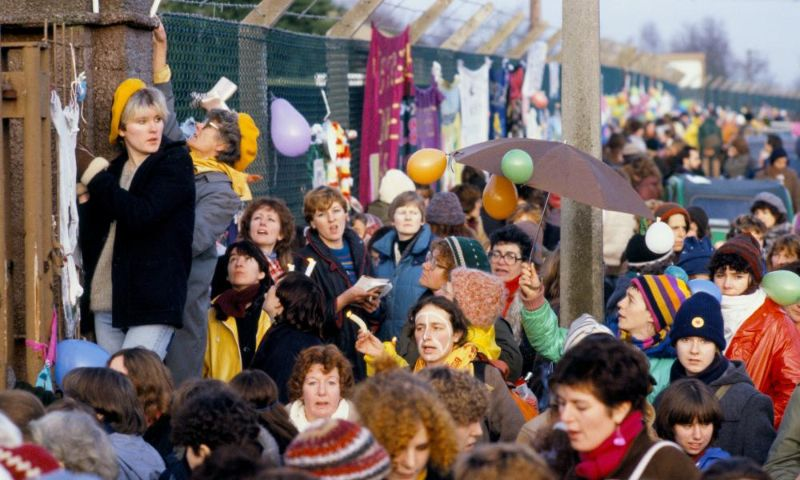
(A kép a Greenham Common-i női peace-camp szervezésében az USA angliai katonai bázisánál tartott egyik tiltakozó megmozduláson készült az 1980-as évek elején. Az interneten találtam a felvételt 2023-ban. Azt hiszem, középen a nő az arcára festett fehér békeszimbólummal én vagyok.)
A Jubilee Gardens peace-camp idilljét néhány nap múlva sajnos megzavarták a táborunkra támadó szkinhedek, akik megpróbáltak néhány sátorban alvó embert kívülről, a ponyván keresztül megkéselni. Hazamentünk.
Viszont ezektől a pacifistáktól hallottam, hogy lesz egy gyűlés „A kelet-európai nők és a békemozgalom” témában. Kíváncsi lettem. Addigra (1982) kezdtem megfeledkezni róla, hogy kelet-európai vagyok. Évek óta alig találkoztam kelet-európaiakkal. Az átlag angol feminista nőket pedig, akiket korábban megismertem, a legkevésbé sem érdekelte, hogy Magyarországról jöttem. Egyszerűen nő voltam, és kész.
Izgatott kíváncsisággal mentem hát el a gyűlésre, amelyet az egyik egyetemen rendeztek. Ott és akkor a résztvevők elhatározták, hogy szerveznek egy egész napos konferenciát ugyanerről a kérdésről. Fölajánlottam a segítségemet, de furcsa érzésem támadt. Nem tudtam, mi lehet az oka. Szervezés közben valahogy úgy éreztem, nyomasztó az angliai nők perspektívája, még azoké is, akiknek a szülei Kelet-Európából vándoroltak ki, de ők már itt születtek. Nem találtam senkit, akivel azonosulhattam volna, de akkor még nem tudtam megfogalmazni, mi is zavart.
A konferencia lezajlott. Nem emlékszem a részletekre, de tisztán él bennem a rémes érzés, ami egész nap hatalmában tartott. Idegen voltam közöttük. Nem éreztem, hogy a beszélgetéseknek bármi köze lenne hozzám. Nem ismertem azt a Kelet-Európát, amiről ők beszéltek, mert az egy fikció volt, csupa olyasmi, amit egy nyugati ember képzel róla.
Évekig tartott, mire rájöttem, miért éreztem olyan borzasztóan magam azon a konferencián. És amíg megértettem, miért nem akarok „feminista” lenni, miközben feminista vagyok. Ma már egyszerű a képlet. De akkoriban szenvedtem.
Tavaly (1998) betértem egy könyvesboltba, és megláttam kitéve egy vaskos kötetet. Valami olyasmi volt a címe, hogy „A feminizmus vége”, és a könyv azt állította magáról, hogy a világ különböző részein élő nőkről szól. Kinyitottam. Végigfutottam a fejezetcímeket, és a körülbelül 20 féle téma között egyetlen egyet találtam, amely érintette Kelet-Európát. A többi az angliai, egyesült államokbeli, afrikai, írországi, ázsiai és muszlim stb. nők helyzetét tárgyalta (és szerzőik is ezekből a kultúrákból érkeztek). Az egyetlen fejezetet, amely a kelet-európai nőkről szólt, egy olyan nő írta, akinek angol neve volt. Már ettől rettentő dühös lettem. Aztán elolvastam, mi a mondanivalója. A szokásos sirámmal indult az írás: Miért nem akarnak a kelet-európai nők feministák lenni?
Iszonyú dühbe gurultam. Magamban ordítozni kezdtem velük: „Ti beképzelt, atyáskodó, feminista-kultúr-imperialisták! MIÉRT NEM TUDTOK MEGKÉRNI BENNÜNKET, HOGY A MAGUNK NEVÉBEN BESZÉLJÜNK?! Hogy van az, hogy a fekete nőket, az ázsiai nőket, az ír nőket meg tudjátok kérni, ami mind rendben van, de soha nem kértek meg bennünket, kelet-európai nőket, hogy beszéljünk magunkról? Hogy lehet, hogy amikor arról van szó, hogy valaki fogyatékos, AIDS-es, meleg, transzszexuális, muszlim, vagy bármi más – akkor legalább egy jelképes személyt találnak az adott közösségből? Bezzeg amikor RÓLUNK beszélnek, akkor NEM!”
Igazából mi nem létezünk. Még a nők számára sem. És különösen nem a feminista nők számára! Belém hasított, mennyire ELIDEGENEDVE éreztem magam, amikor azokkal a feminista leszbikusokkal barátkoztam. Mert őket a LEGKEVÉSBÉ sem érdekelte a hátterem – és így várták volna el, hogy csatlakozzam a „klubhoz”. LEGYEK OLYAN, MINT ŐK, ÉS SZERESSEM ŐKET. Azt akarták, hogy fogadjam el az értékrendjüket, öltözködési és beszédmódjukat, azt, ahogyan együtt vannak. „Tolerálták” a heteroszexualitásomat (legalábbis időlegesen, remélve, hogy egyszer majd feladom), de a személyiségem másságát nem fogadták el. Emlékszem, hogyan reagált az egyik leszbikus barátnőm, amikor félig viccesen úgy fogalmaztam, hogy „én nagyon egyéni vagyok” („I am very unique”). Azt mondta, ez egy veszedelmes gondolat. Csak sejtettem, hogyan érti ezt. Azt gondoltam, úgy érzi, azzal akarok kitűnni, hogy leszólok „más nőket”, amikor kijelentem, hogy annyira különleges vagyok. Mintha mások nem lennének azok. Azt üzente: légy olyan, mint minden más nő, mi mind OKÉ-k és szerethetők vagyunk. Mind nővérek vagyunk („We are all Sisters”).
Leszbikus barátnőim akkor is kiakadtak, amikor egyik este bejelentés nélkül meglátogattam őket. Elmagyarázták, hogy legközelebb, ha látogatóba akarok menni, napokkal korábban telefonáljak. Az angolok előjegyzésfüggő társasági élete sosem vonzott, de az évek során hozzászoktam, hogy még sok fiatalnak is „előjegyzésre” van szüksége ahhoz, hogy találkozzanak egymással. Az első években kitartóan próbáltam mellőzni az előzetes egyeztetést, és ösztökéltem másokat, hogy egyszerűen „ugorjanak be” hozzám. Sosem fogom elfelejteni a leszbikus barátaim arcát, amikor „beugrottam” hozzájuk, mert épp ahhoz volt kedvem. Talán nekem ez volt az utolsó csepp a pohárban.
Miután tavaly kezembe került az a bizonyos könyv, már tudtam, mit utálok az angol feministák hozzáállásában. EGYSZERŰEN MAGÁTÓL ÉRTETŐDŐNEK VESZIK, HOGY MEGHATÁROZHATJÁK, MI A FEMINIZMUS. ÉS MEG AKARJÁK HATÁROZNI, KI A FEMINISTA. A VÁLASZUK SZÁMUKRA EGYÉRTELMŰ: ŐK a feministák, és a feminizmus az, amit ők annak gondolnak. Pont úgy, ahogy nyugaton a DEMOKRÁCIÁT meghatározzák: az a demokrácia, ami náluk van. Demokrata az, aki olyan, mint ők. Vagy a „civilizációt”, és még folytathatnám a sort.
Ekkor ébredtem rá, hogy az egész kérdés, miszerint: „Feministák-e a kelet-európai nők?”, vagy, ha már itt tartunk: „Nevezhető-e egyáltalán bárki feministának?” Vagy „Kell-e feministának lennünk?” – szóval ezek a kérdések értelmetlenek. Badarság! Ebben a formában az ilyen kérdés, amennyiben Nyugat-Európában vagy Amerikában tették fel, valójában azt jelenti: AKARSZ OLYAN LENNI, MINT ÉN? – És gondoljuk oda a kérdés mellé egy „tipikus” angol vagy amerikai feminista képét! Ő a világ többi táján élő valamennyi nőtől azt várja el, legyen olyan, mint ő. Ő a mintakép. Feminista-imperialista, akkor is, ha lejáratott szavakat kell most használnom. Márpedig én több száz ilyen feministával találkoztam. Persze mindenki egyéniség, vannak különbségek köztük, mégis sokan néztek ki nagyon hasonlóan, rövid frizurát és csúf ruhákat viseltek – amivel azt üzenték: „Nem fogok a férfiak kedvére tenni!” Én tehát nem vagyok hajlandó, nem is voltam és nem is akarok a jövőben sem klubtag lenni. Nem leszek „egy közülük”. Még akkor se, ha szeretnék, merrt képtelen vagyok rá. Engem más ösztönök vezérelnek.
Eszembe jutott az is, hogy a 80-as évek elején, amikor elszántan igyekeztem Angliában a nyilvánosság elé vinni a kelet európai nők helyzetének kérdését, a feminista lapok és folyóiratok következetesen visszautasították a magyarországi nők helyzetéről írt írásaimat. Pedig valamennyire nyilvánvalóan ismert voltam, mert egy világszerte híres oroszországi feminista aktivista nő Franciaországba való kivándorlása után kapcsolatba lépett velem, és azt írta, hogy szeretne velem együtt dolgozni. Akkoriban a fősodorba tartozó nyugati újságok többször is cikkeztek róla és a csoportjáról. Annyira előtérbe tolták, hogy még Simone de Beauvoir is írt róla. Mikor megkért, utazzak Párizsba, hogy együtt dolgozzunk, megírtam neki, hogy annyi pénzem sincs, amennyivel a londoni Victoria pályaudvarra kijutnék, nemhogy Párizsig megvegyem a jegyet.
Szintén a 80-as években megkerestem angol feminista kiadókat, hogy adjanak ajándékba az eladatlan feminista könyveikből és folyóirataikból, hogy azokat Magyarországra és Lengyelországba küldhessem. Megírtam, hogy mindkét helyről kaptam ilyen irányú kéréseket. Hónapokig semmilyen válasz sem érkezett. Megint írtam nekik. Végül egyetlenegy kiadótól kaptam választ, mégpedig elutasítót. Vagyis amikor könnyedén segíthettek volna, nem foglalkoztak a dologgal, most meg sápítoznak, hogy Kelet-Európában „nincs feminizmus”. Micsoda képmutatás!
És akkor itt van a ringlispil kérdése. Gyerekként úgy döntöttem, nem akarok a Mennyországba kerülni, mert ott nincs körhinta. Később elhatároztam, hogy nem megyek férjhez, mert nem akarok unalmas ember lenni és unalmas életet élni. Ugyanez a bajom az angol feministákkal is. Nemigen látok a körükben ringlispilezést, legfeljebb erőltetett „vidámságot”, nevetést és annak bizonygatását, hogy jól érzik magukat.
Amúgy meg az angol embereknek FOGALMUK SINCS, mennyivel (relatíve, relatíve) szabadabbak, szebbek, okosabbak, kreatívabbak, kitartóbbak, őszintébbek, autonóbbak és spontánabbak vagyunk mi, kelet-európai nők, vagy legalábbis sokan közülünk, mint amilyenek ők valaha is voltak vagy lesznek. Ez az ő kultúrájukból mind hiányzik. Bocsánat a sértegetésért! Természetesen általánosítok. Ha nyugati nőként vagy férfiként odáig merészkedtél, hogy ezt a cikket, ezt az újságot a kezedbe vetted, akkor valószínűleg a kivételek közé tartozol.
Csakhogy nekünk, kelet-európai nőknek meg kéne tanulnunk büszkének lenni a saját pozitív tulajdonságainkra. És neki kellene látnunk elkészíteni a saját elemzéseinket, meghatározni a saját tennivalóinkat. Mostanáig „rólunk”, a mi feminizmusunkról általában a nyugatiak a saját szemszögükből vetették fel a kérdéseket, amiket mi védekezőállásból próbáltunk megválaszolni. Az ő általuk meghatározott program, értékrend, normarendszer és definíciók alapján gondolkoztunk, beszélgettünk. A kommunikáció nyugat–kelet–nyugat irányban haladt. Fel kéne szabadítanunk magunkat ez alól, és elindítani egy kelet–nyugat–kelet irányú dialógust, amelyben mi fogjuk megítélni őket, és nekik kell majd felelniük a mi kérdéseinkre. És ha megbecsüljük magunkat annyira, akár egymás között is folytathatunk kelet–kelet párbeszédet.
A magam részéről azt hiszem elmondtam, amit akartam. Megyek, keresek egy újabb ringlispilt magamnak.
Márkus Piroska
(London, 1999)
1 A squatting azt jelenti, hogy üresen álló lakásokat vagy házakat foglalnak el olyan emberek, akiknek nincs hol lakniuk. A 70-es és 80-as években ez mozgalommá vált, a házelfoglalókközösségeket alkottak. Előfordult, hogy sikerült évekig bennmaradniuk az adott ingatlanban, általában rendbe tették az elhanyagolt házakat, néha lakás-szövetkezeteket hoztak létre, és hivatalosan engedélyt kaptak, hogy kis lakbér fizetése mellett évekig ottmaradhassanak.
2 A “peace-camp” fordítása a béke-tábor lenne. De ennek más jelentése van magyarul még a szocialista időkből, ezért megtartottam az eredeti angol kifejezést.

The British Conservative party, in other word the ‘Tories’ like to picture themselves as blue, perhaps in contrast to the red colour often associated with the Left. So how green is blue nowadays? I have to admit that I did not follow the Paris show, as I thought the actions will speak for themselves. And they did. A few days after the Paris show was finished and the participants congratulated to themselves, the British Tory government announced a few very significant changes, which will intensify their commitment to destroy the earth with much faster speed then ever before.
(1) The government is scraping support for large-scale solar energy projects. The solar energy project only required a £3 yearly contribution in every household’s bill. This project was clearly a threat to the the government, because it was nearly becoming self-sufficient and soon it could have become the cheapest low-carbon energy source. So the government mutt have panicked and to stop the solar energy project to succeed they suddenly pulled this support, claiming to prioritise the lowering of customer bills (ridiculous claim as £3/year per household is a very reasonable contribution for a better future. To have an idea of the worth of £3: if you want to buy a coffee you could easily pay £2.50)
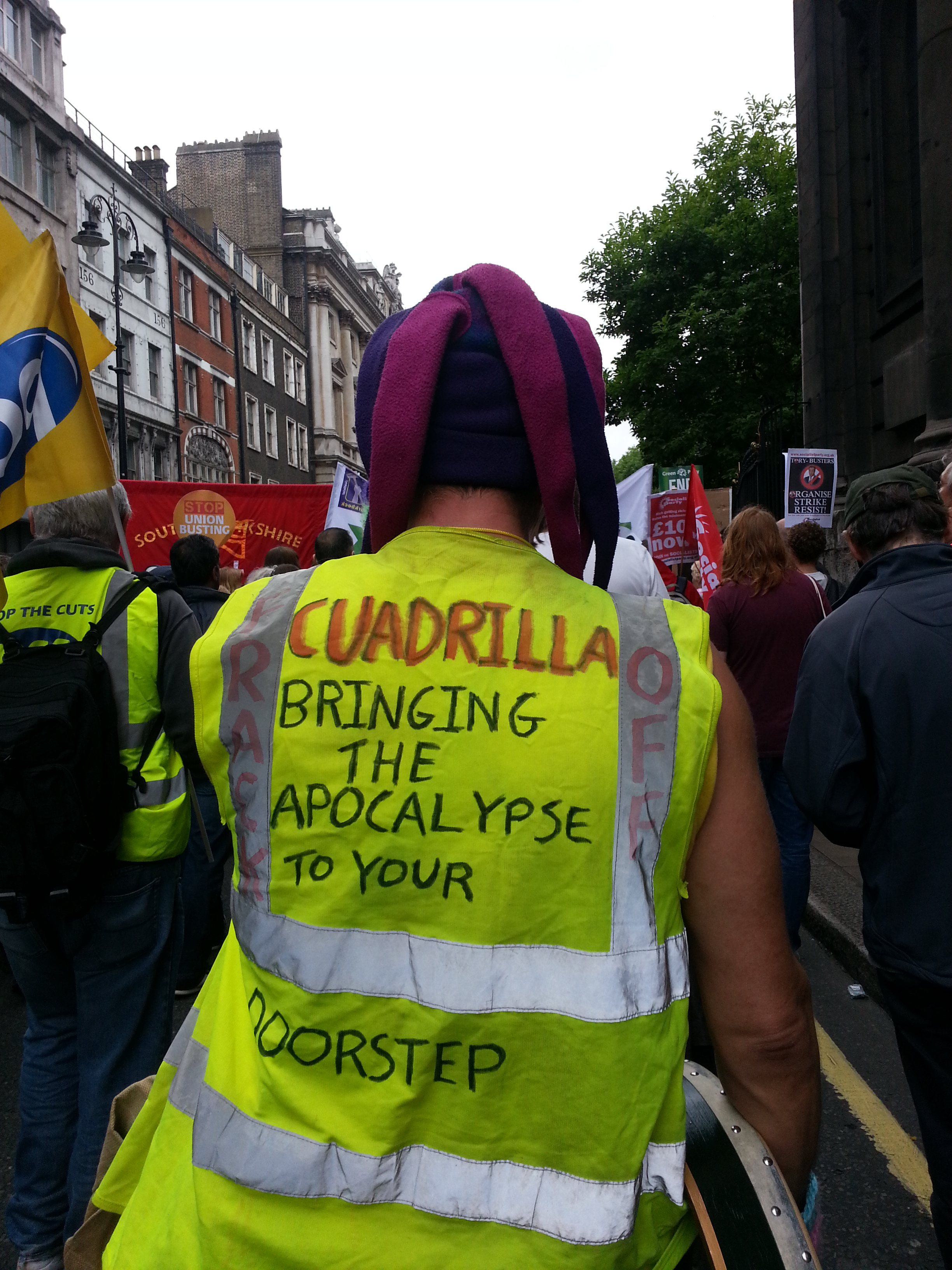
(2) The Government has just granted NINETY-THREE (yes, 93) fracking licenses in England and Wales. Luckily they could not touch Scotland, as the Scots were clever enough to ban fracking (of course they English did not want them to become independent – just see what a good example they would create?) So where are they going to be digging for the modern gold: oil and gas? The licences include many places which are described as “national parks and areas of outstanding beauty”. In case you would like to know which firms will do the dirty work: licences were granted for Ineos, a Swiss chemicals giant which owns the Grangemouth Refinery in Scotland (could they kick them out?) and Cuadrilla, a fracking company backed by British-Gas owner, Centrica.
I could not express my horror better than Adrian Harrioson, whose letter was published yesterday in ‘The Independent’: “a number of studies, including one from Cornell University, have shown that the countless drilling of new wells demanded by the process results in the release of such large amounts of methane, a greenhouse gas far more immediately dangerous than CO2, that over 20 years it is considerably more damaging to the climate than coal. The cynicism and idiocy of a government which, just a week after signing up to a green agenda in Paris, turns its back on renewables and then plumps for this filthy, landscape-destroying, economically disastrous option which at best might last a decade, is breath-taking.”
Ai Weiwei, the world famous Chinese artist re-created his window-less prison cell in several half-size boxes, where the curious exhibition-visitor (currently at the Royal Academy of Art in London) is encouraged to peep in through small windows to see him living his prison life. He was followed 24 hours/day by two guards, who were instructed not to talk to him. I had the privilege to visit the exhibition today, took some photos and here you can peep into the prison-boxes too:
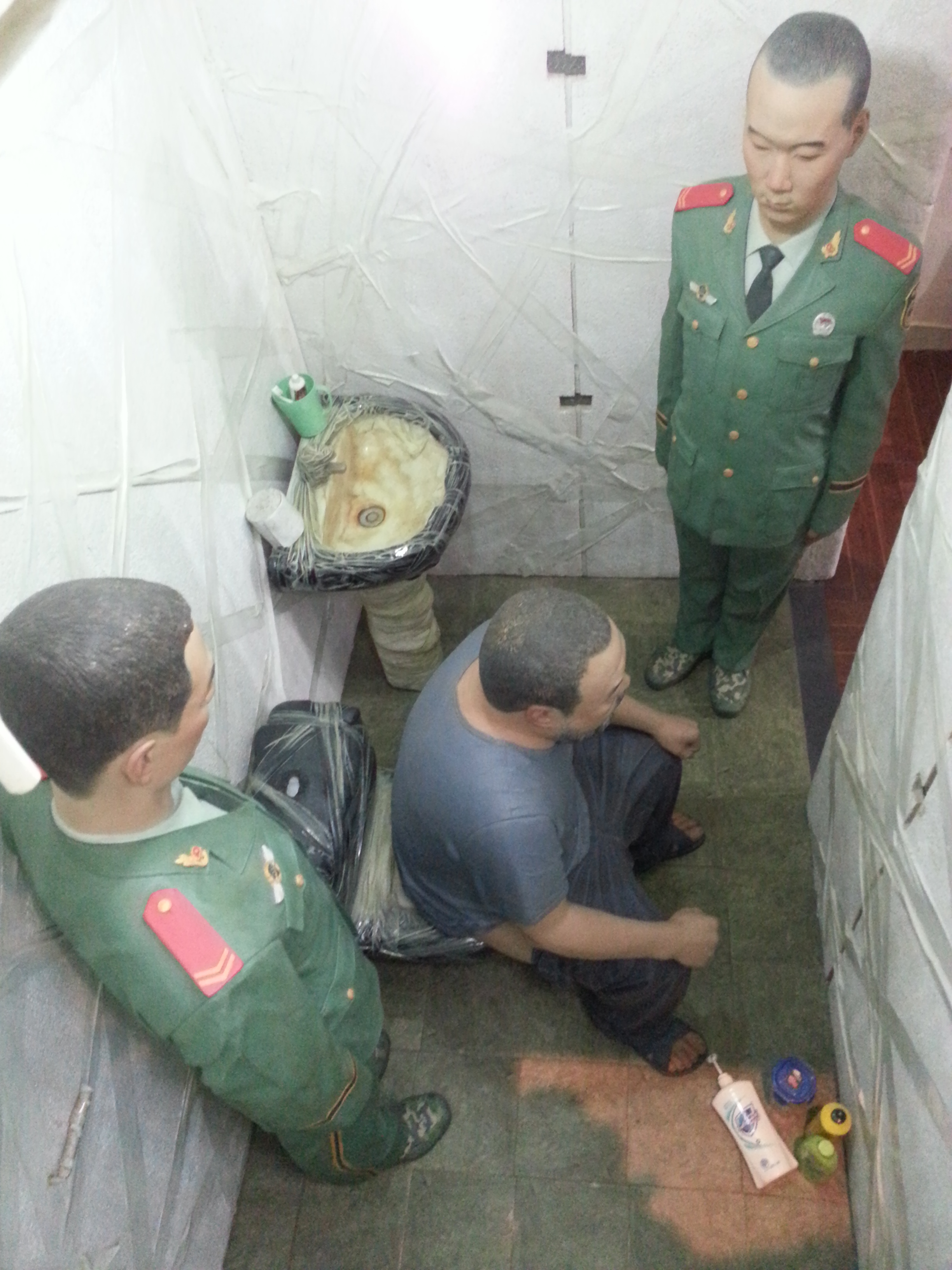
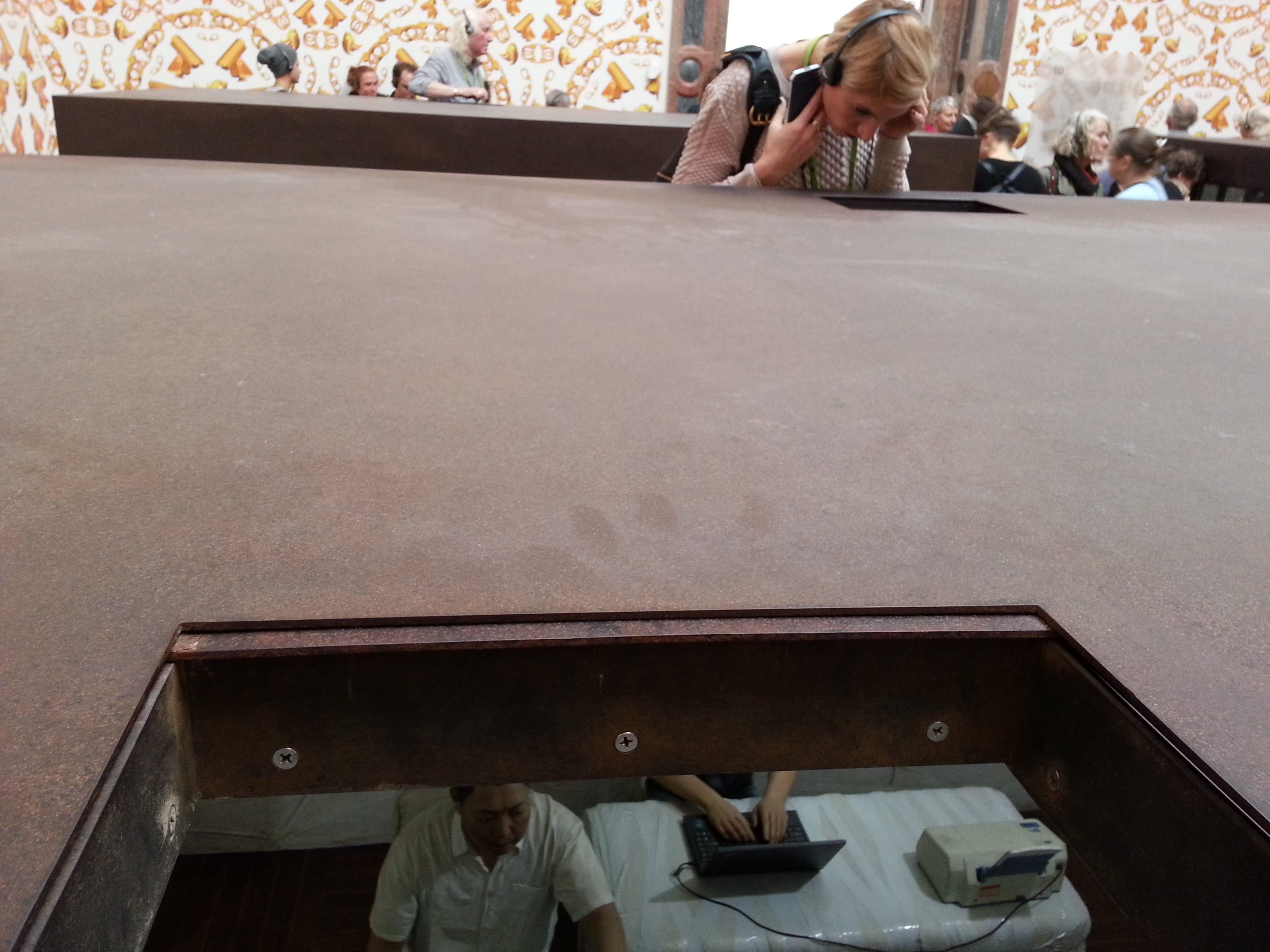
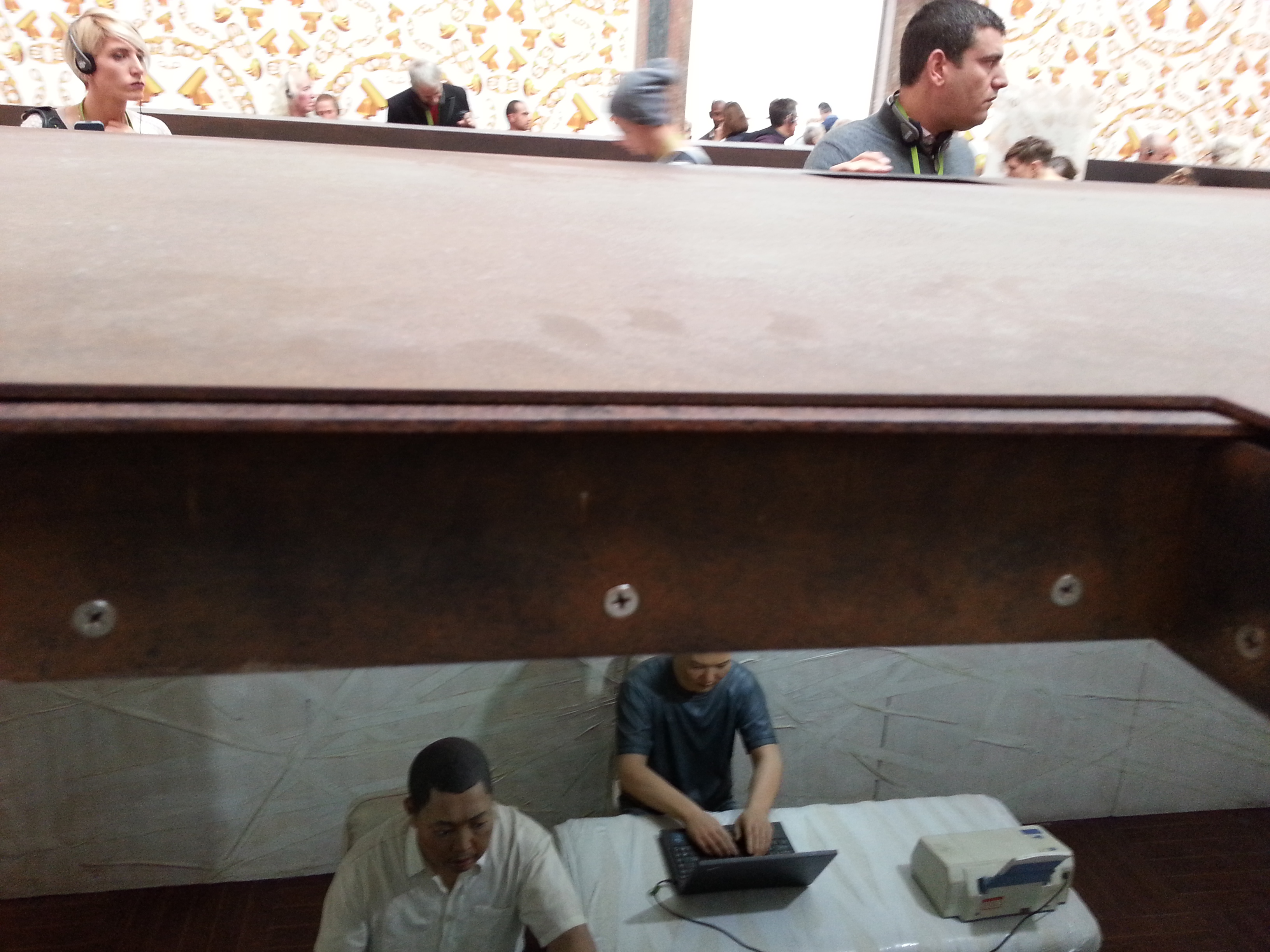
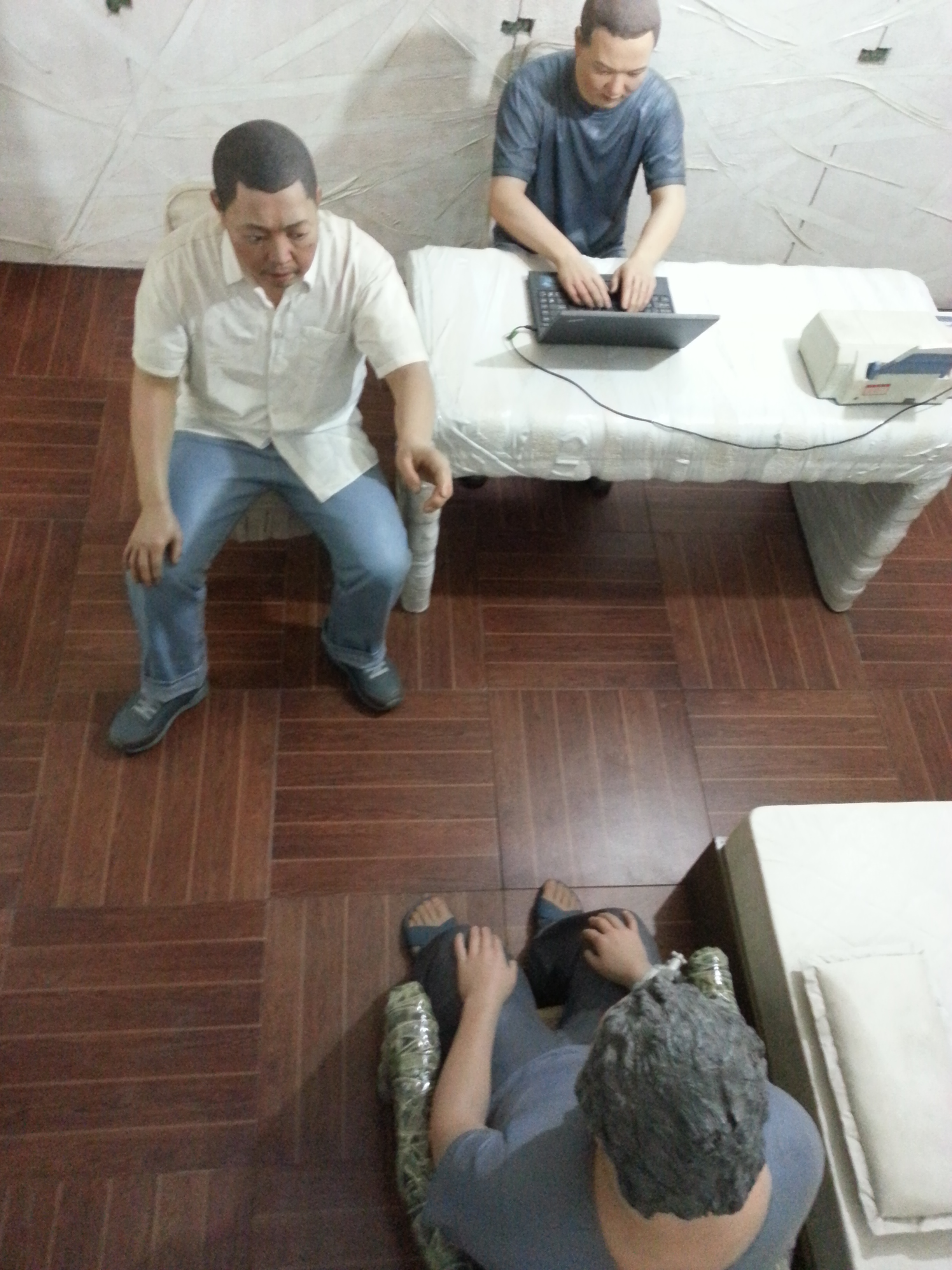
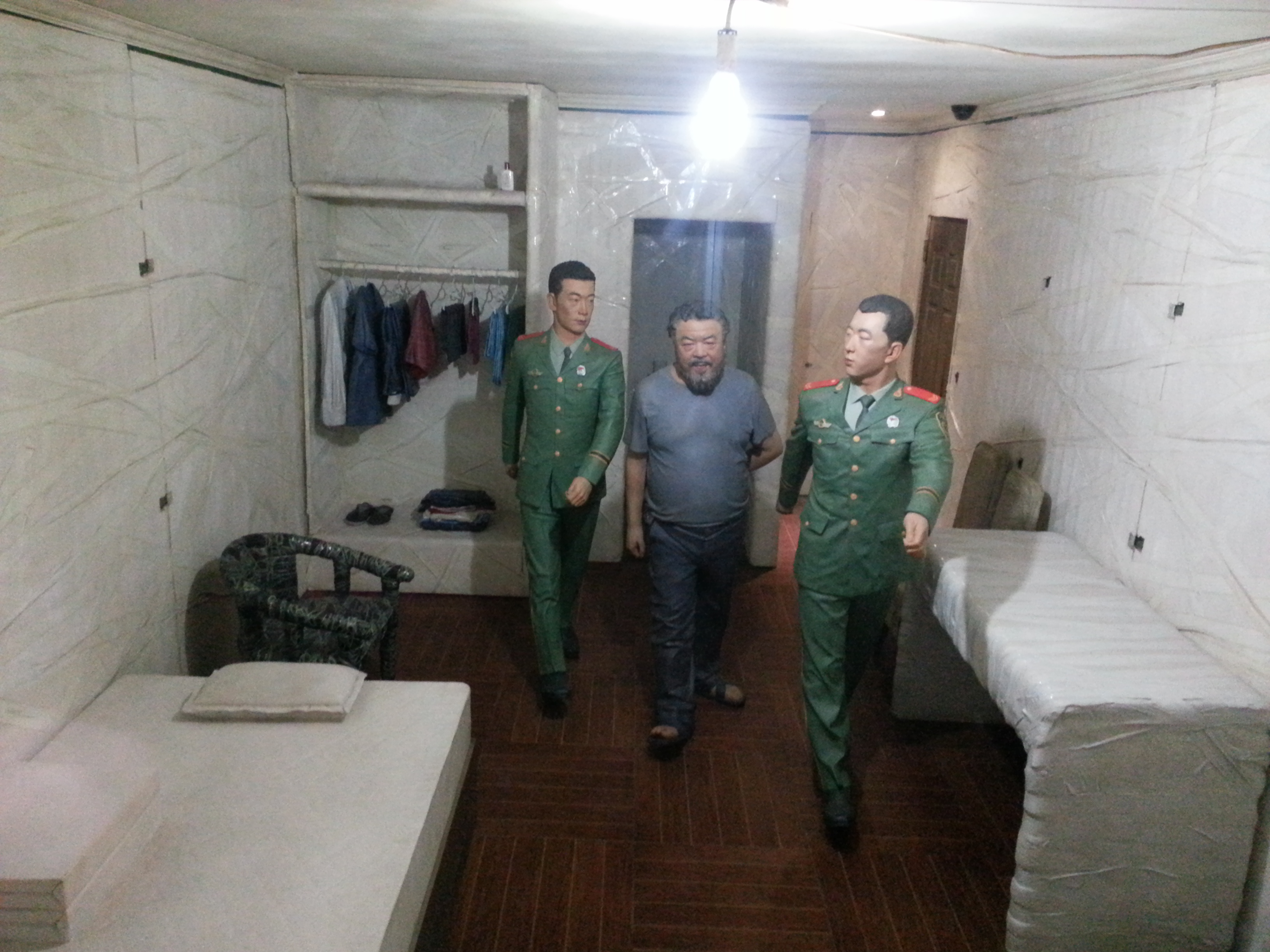

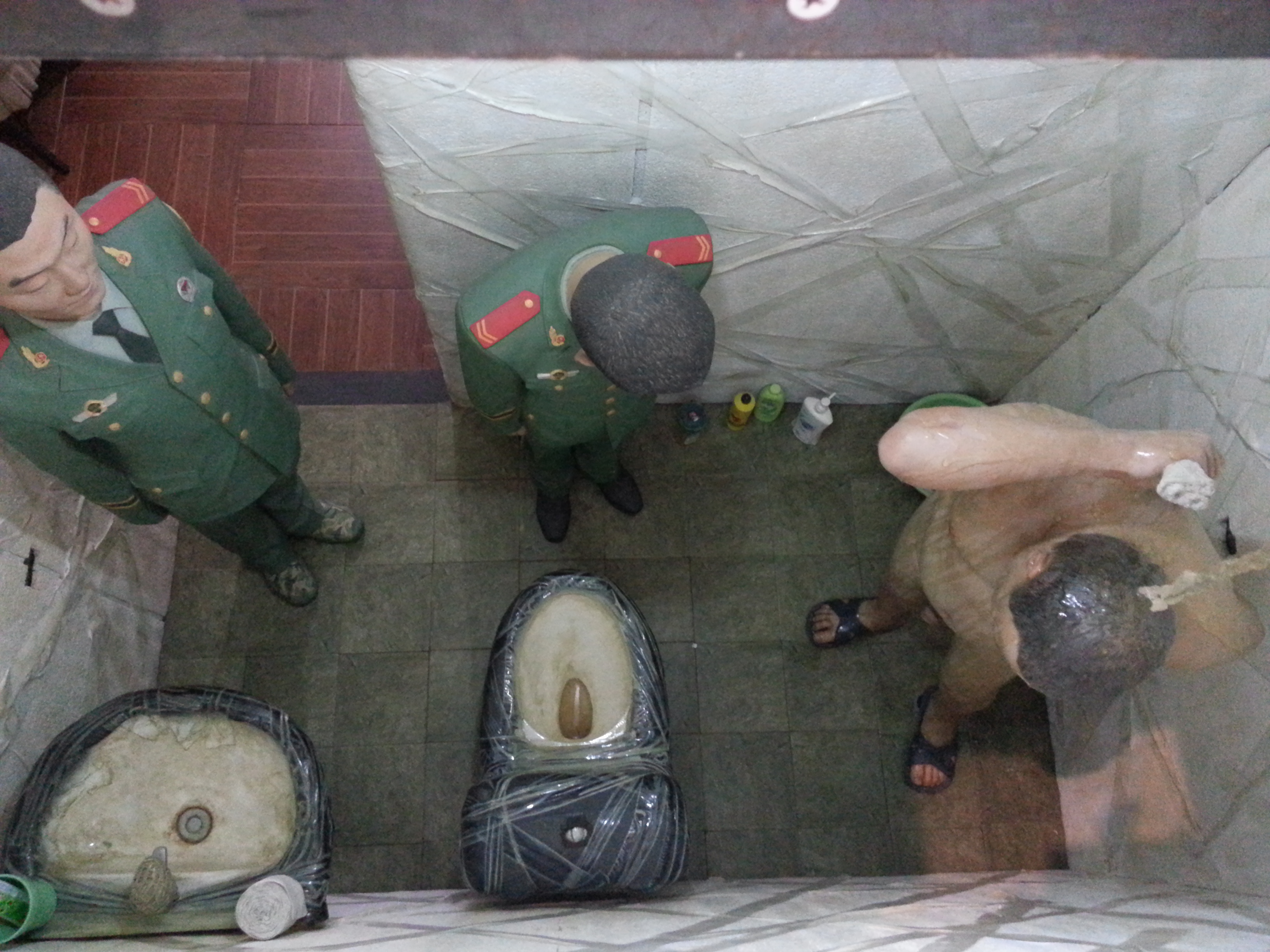

I have been thinking all day about this idea, suggested by many people today, that Paris (or for that matter New York) is ‘close to us’. “Us” can be English, Hungarian, Italian or ‘European’ people as such (whatever this term is meant to imply nowadays). “Close” is used to refer to either to physical proximity, or it is used in a symbolic way. There is also a hidden assumption, that societies, cultures created by white people wherever in the world (and at whatever cost), would be essentially the same, and people living there, somehow belonged to each other. (E.g. Australia and France sharing more than Kenya and Ireland). As the victims of 9/11 and the Paris attacks included non-white people, there may be another hidden assumption, that non-white people living in the US or in Europe become almost like white people, their life (when murdered by certain enemies) can be measured in the same way as white people’s lives, as ‘we’ (white people) can feel close to them. (Not sure if the same applies when black people are murdered by white police in their own country, e.g. in the US). The hidden idea is that the 149 students who were murdered on Thursday in Kenya are ‘too far away”, so we can not feel the same for their death as for the death of a similar number of people murdered in Paris, as Paris ‘is close’. Kenya is ‘too far’. Although some of the victims in Paris could have been easily emigrants from Africa, even from Kenya, but because Paris ‘is close’ we mourn their death too. It happened in Europe, so it is ‘shocking’ for Europeans. Death happening elsewhere is ‘too far’ so we don’t mourn (of course with the exception of 9/11). The (perhaps hidden) assumption is, that if murdered people have similar type of life-styles to my own life-style, than I should be able to feel their pain, to mourn their death more easily, then the pain or death of people, who are ‘different’ from myself. I think what we are talking about is our ability to identify with the victims. It is assumed, that me, living in Europe, can naturally identify with the victims in Paris (and in New York), but not with the victims in Kenya, Somalia, Mexico or Pakistan. If I identify with the murdered victim, I imagine myself being the victim: an internal scream may let lose, shouting “it could be me!”. In contrast, if I am unable to identify with the victim, if identification assumed to follow continental, plus ethnic and racial divisions, then I won’t think of myself when I see a picture of a murdered black student in Kenya if I happened to have pink skin colour. The assumption is, that I would unconsciously think, it could NOT be me, so I won’t feel the same shock, bereavement and natural sorrow. In other words, me, living in England, would FEEL SORRY FOR MYSELF when I think about the Paris (or New York) victims, but would not feel sorry for myself when I see the victims in Kenya. I wonder how the Black, Asian, Arab, South American, Roma and mixed population of Europe is expected to fit into this scheme. Certain authorities and people regularly provoke groups of non-white people in Europe to express their ‘loyalty’ through expressing condemnation of the killing of white people. They are often expected to prove they have ‘integrated’ by showing shock and bereavement about the death of white people. If they don’t do it, it is sometimes assumed, that they are somehow guilty of the murder. This is intensified when Muslim people living in Europe are expected ‘to fight terrorism’, ‘fight fundamentalism’, to successfully influence their youngsters not to become jihadists, and to make statements after statements to condemn ISIS. One condemnation is not enough, they are expected to do it each time white people are killed. Otherwise they may be treated as suspects. Of course nothing like this happens when Christians go out to murder a number of kids, or Church-goers or whoever. No Christian Church is expected to condemn these murders which are seen as the product of lunacy, they are not suspected of being guilty by sharing the same religion. Which happens all the time with (against) Muslim people. Going back to my original topic, I would like to say, here, publicly, that if I look deep into myself, which I did today, I have to admit, that sadly, I do feel the joy and pain of those people stronger, who appear more similar to me. I also feel the tragedy of their death stronger too. I can ‘sense’ much more precisely the life of those who look similar to me, who eat, love, dress, work, raise children etc in a way I am familiar with. It is also true, I admit, that their death shocks me more, than the death of people who appear to be very different, whose life and customs and believes and rules I don’t understand. However all my life I challenged this tendency inside myself, even as a child. I had different words to describe it, but in my nursery and school I made an effort to try to get to know those kids who were disliked by the teachers or bullied by other kids. These bullied kids often came from really poor background, sometimes were unable to study, focus etc, and it would have been easy to join in the popular dislike, ridicule them and see them as ‘strange’, as ‘the other’, the one whose pain does not count. The one who helps the rest of the class to unite, to feel expected because we together we hate him or her. Occasionally, I found myself letting down this kid, joining in with the crowd, but I knew I was wrong, and I changed my behaviour. I still remember these incidents when I felt I betrayed that child, I betrayed my own principles. I don’t think I talked about these things those days, and not even as an adult. Today is the first day I can put some of these things in words. As an adult, especially since I moved to England, I have found it easy to ‘identify with’ many people who could superficially be seen as very different from me, whose language and customs I could not understand initially, who follow rules I may not like, who have religious beliefs I don’t share. I often try to look for some similarity, something we have in common, even though we may even dislike each other. I believe, it is my task to see the humanity in those people who may first appear ‘strange’ for me, and to stop automatically identifying with those people who come from my country, or my continent, or have the same pink skin colour as me, or who are also atheist, or share my feminist ideals, my questionable class and social status, my attitude of hating money and authority. I want to be able to feel the joy and pain of anyone in the whole world. The more different they seem to be, the more puzzling their being is, the more important it is for me to find our connection. To connect, to relate. I think the ‘global’ task is not the world-wide exploitation of oil, but the potential ability to see the human in everyone, even in those people who we don’t understand, those people who seem to share nothing with us, and even in those people, who may first consider to be ‘enemy’ – whatever this over-loaded term may or may not mean, today, on the 14th of November, 2015. Good bye, thanks you for reading, comments welcome.
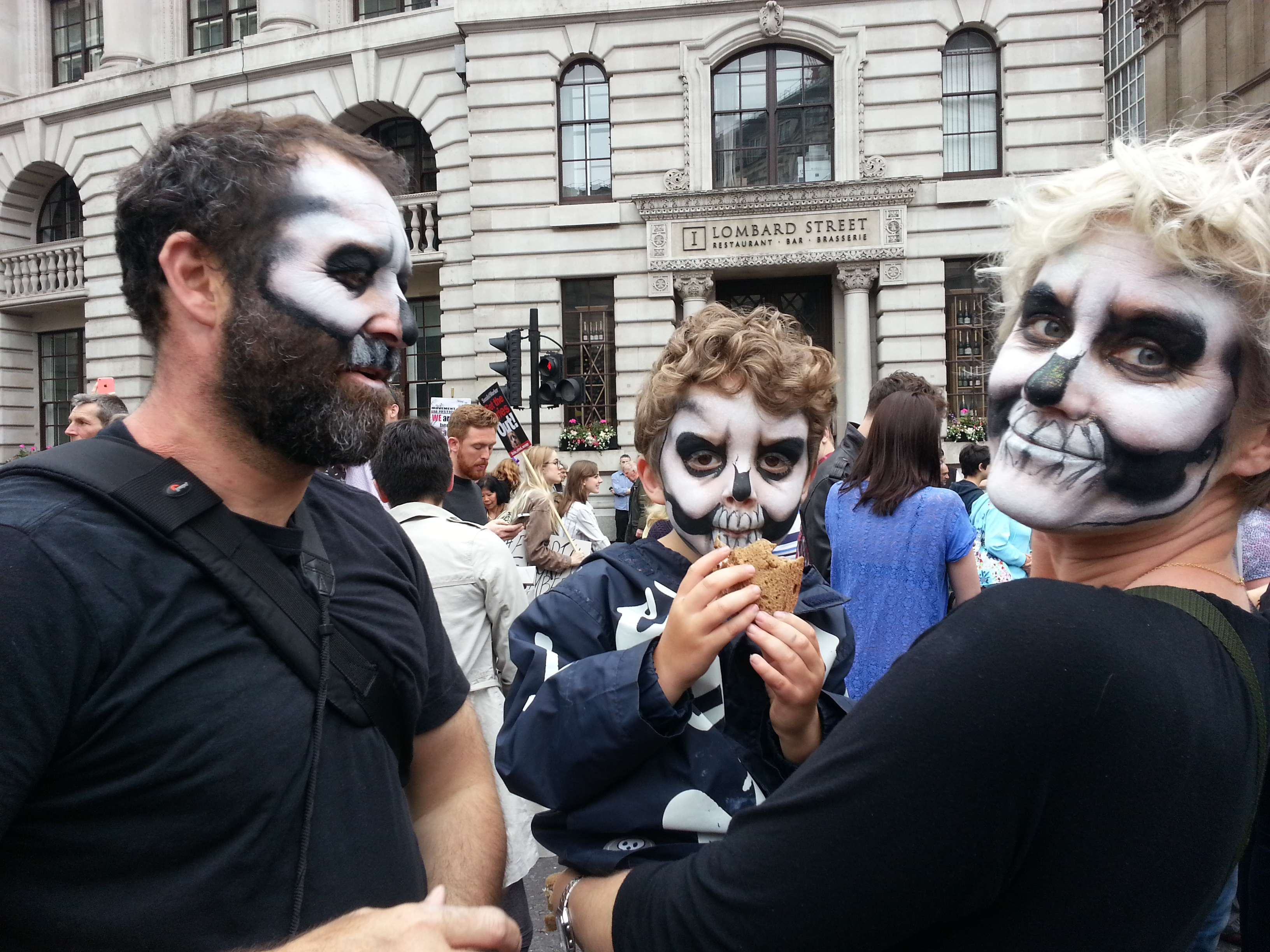
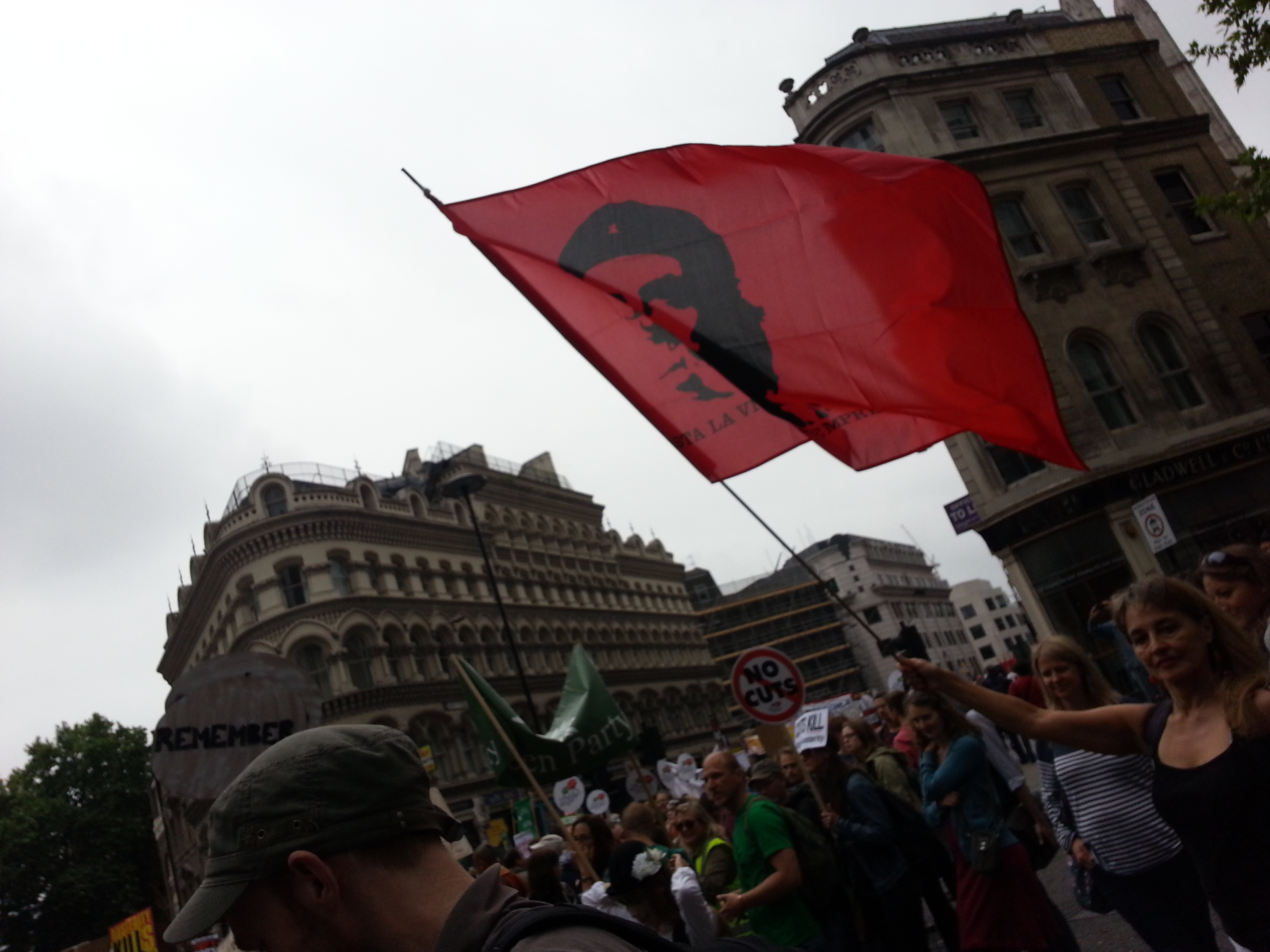





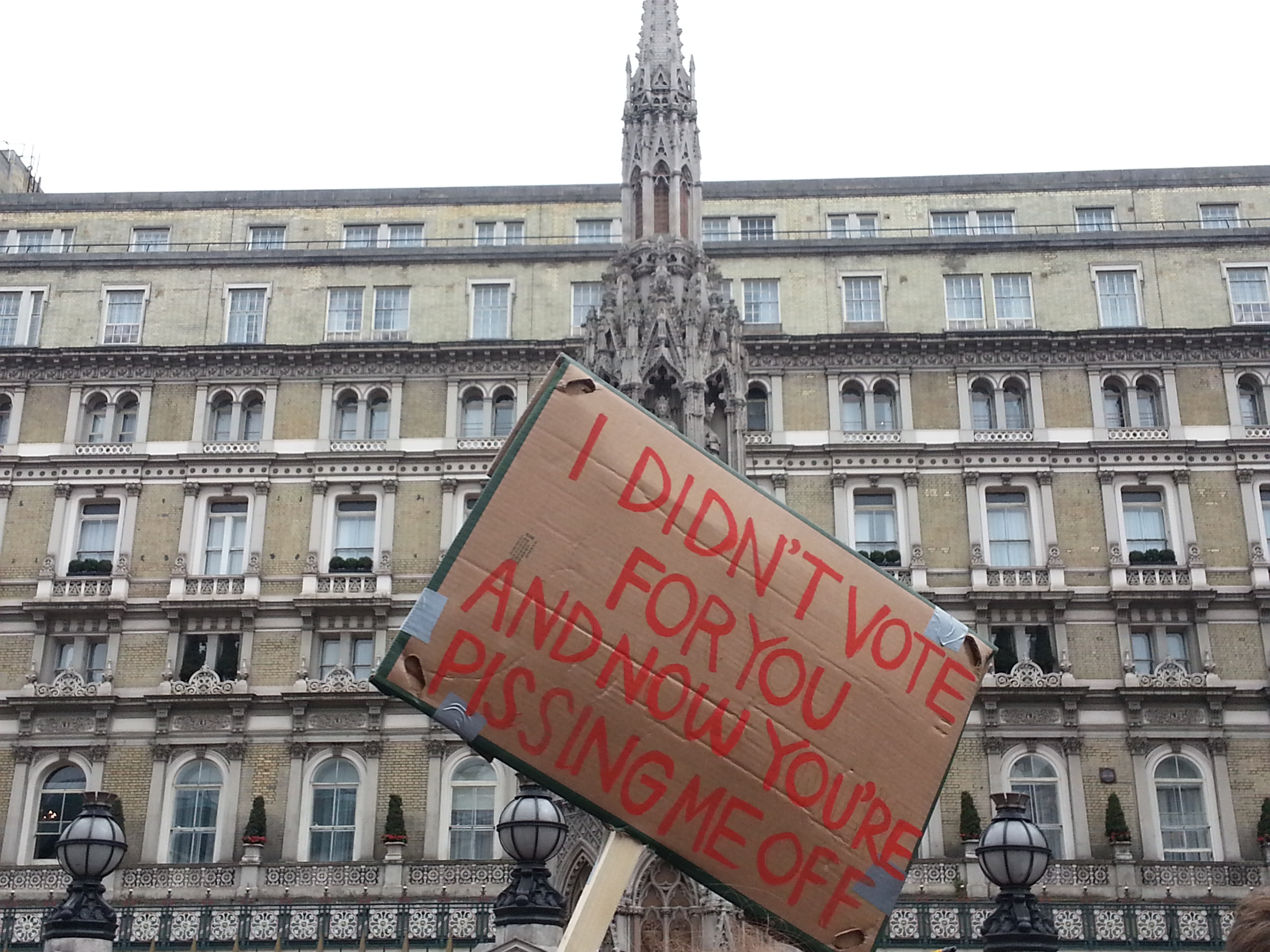

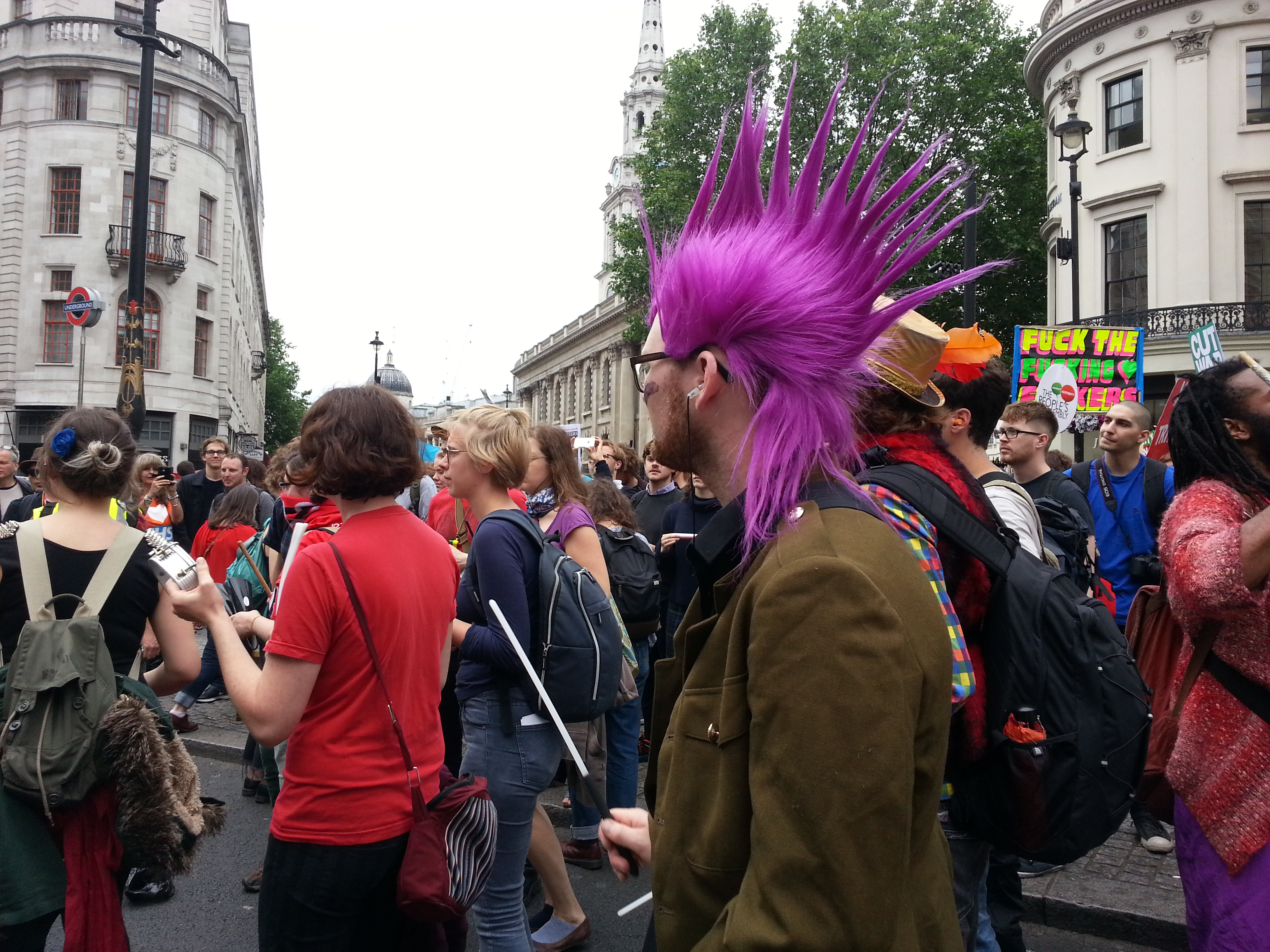
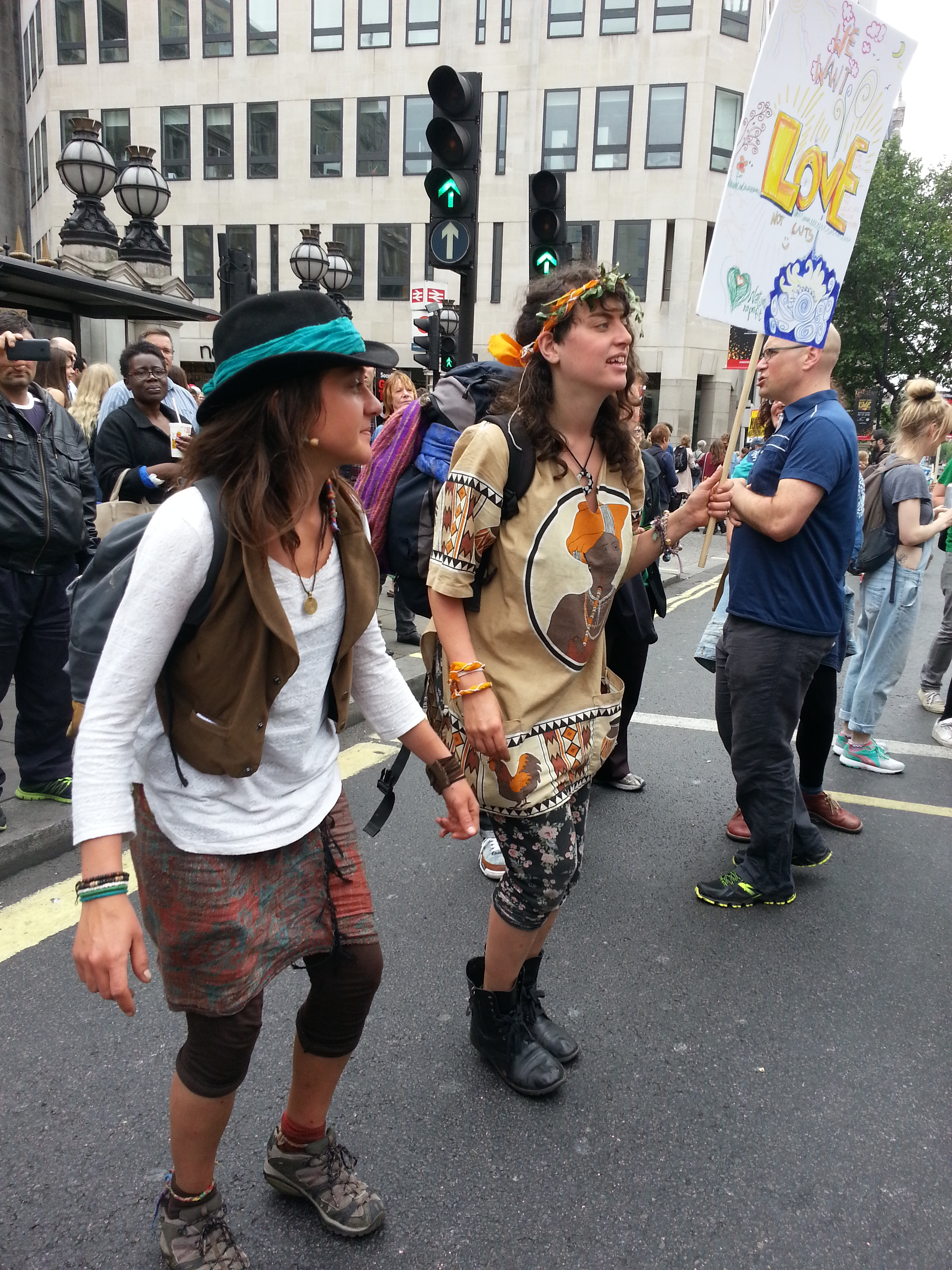
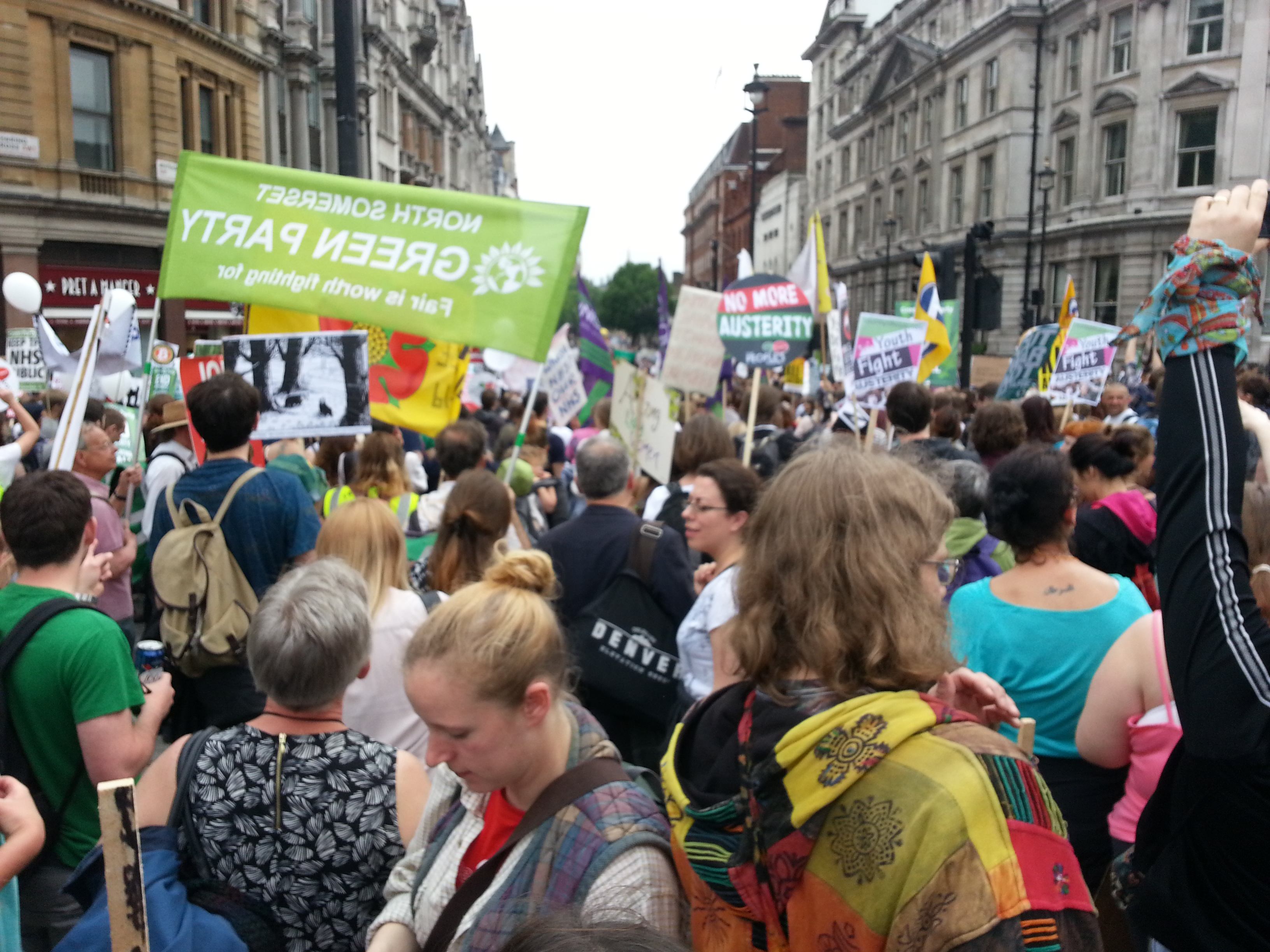



I have noticed the disconnectedness of people more strikingly when I moved to England. Mostly among English people. Thankfully, not all.
I believe it is less true about others, for example African, Asian and South American, Arab, Jewish people or Mediterranean Europeans. More typical of men than women. Perhaps it is essentially a West European male problem, which they have exported into those parts of the World they occupied and tried to Europeanize.
What happens in the heart and soul of the person who perceives other humans as inferiors, in need of his (or her) rule? This is my question.
If in any country an individual wants to enjoy – with a clear consciousness – the benefits of belonging to a privileged class they need to justify it to themselves intellectually and politically. In addition they need to distance themselves from those living in poverty who create their riches by types of work they do not know. They need to remove something from their soul in order to achieve that they will not feel the pain of those under them in the hierarchy. The class system has it’s psychological consequences and background for everyone involved. Those on the top created ‘charity’ to calm the pain they may still feel, and to try to convince themselves and others that essentially they are good people.
In order to colonize other countries, the individuals taking part in the process had to cut off some of their natural human feelings towards those human beings they started to rule over with even more cruel methods than practiced at home with the ‘lower classes’.
How could any man oppress, exploit and especially enslave another, if he feels the pain of the person whom he is abusing or enslaving? He must make his victim look essentially different, less of a human as himself. How could anyone force children into factories in their own country, or colonize another country if he perceived those whom he subjugated to be his equals? (I am using the term ‘man’ consciously because women were not creating this situation, although middle and upper-class women in the ‘mother-countries’ would have clearly enjoyed the financial benefit and the prestige of being the wife or daughter of rich people, belonging to the ‘masters’).
I imagine the individual men involved in the process of ruling ‘lesser classes’ at home and enslaving other people abroad, in order to cope with the task psychologically, were forced to alienate that side of their soul altogether which could potentially perceive all humans as his equal. This was perhaps relatively ‘easy for men’, or for the ‘normal’ men, as men have already practiced (all over the world) how to subjugate women. But after colonizing other countries their psyche must have become even more cut off from their heart (if we can assume that everyone is born with a pure human heart). This in turn would have affected their relationships with their own family, with their wives, mothers and children, with other white men, and may have spoiled their relationship with their own selves.
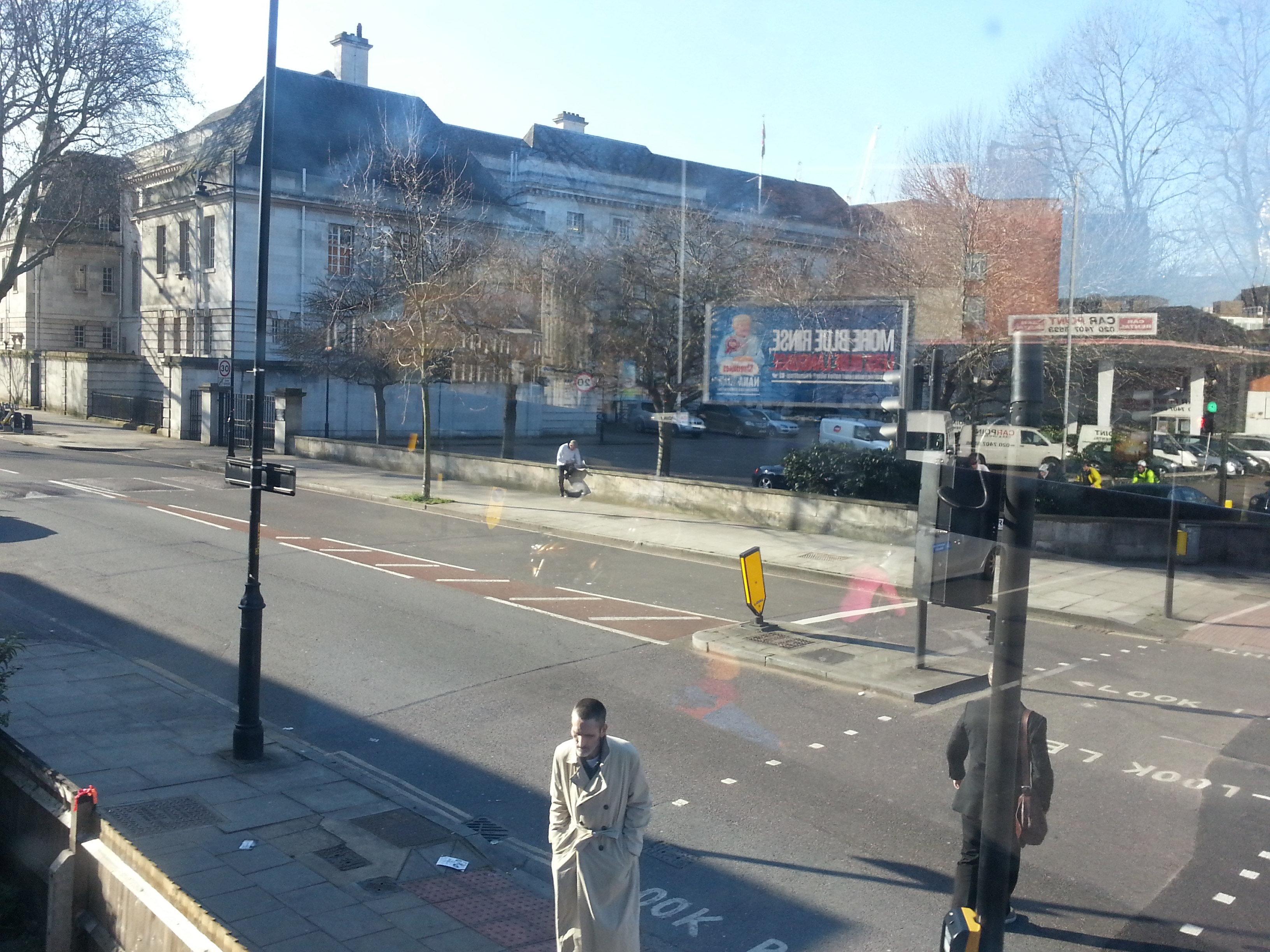
Through the European worship of rationality white men have developed the art of over-justifying what they are doing, even if they feel it is wrong. They developed racist theories for the justification of the subjugation of people whose skin colour happened to be different. But when economically beneficial, they easily transferred the racist ideas to other ethnic groups, whose skin colour was the same as theirs, for example against Irish people, whom they also sold as slaves for many years. Our history books don’t often talk about this. In the last few decades racist ideas are used against Eastern European immigrants and ‘guest-workers’. However even in this context white West European people find it easier to start a hate-campaign when the skin-colour is different, see the hostile press against East European Romas moving to West Europe.
I always thought that men’s domination over women distorts the male psyche more than it distorts the female psyche. I think it is also true about white men’s domination over other people generally. Frantz Fanon, in his famous book ‘White Skin Black Masks’ was perhaps the first to give a thorough analysis of the psychological damage colonization caused in the psyche of the colonized people. What I am thinking about now, is the psychological damage it has caused in the psyche of the colonizing rulers, and their descendants, among who I am living now in England.
If people try to liberate themselves by copying the distorted psyche of their oppressors, e.g. women copy men, black people try to behave like white people, then the whole world will be as fucked up as the ‘normal’ people are in this part of the world.
I think there is a growing number of beautiful English men and women who are different, who are not described by the above. However normally they make special efforts to distance themselves from the ugly past and the ugly current British colonization efforts in various parts of the World.
As usual, the colonization going on currently is called something else. Hundreds of years ago they were ‘spreading Christianity’ to ‘save the souls’ of people, they were ‘civilizing so called barbarians and primitives’. Now Western and American foreign wars and occupation is carried out in the name of ‘spreading democracy’, ‘humanitarian aid’ ‘development’, even ‘women liberation’ (in Afghanistan apparently). And my lovely English friends who oppose these, may be perceived as ‘mad’, ‘bad’ or ‘odd’ by their neighbors or in some cases even by members of their own family if they don’t hate those people (with brown-skin-colour) who are officially identified as the ‘enemy’ right now.
Most importantly, many English people have re-structured their psyche and became more relaxed, a bit like the African or Latin people who do not distance themselves from others the same way as West European people have been distancing themselves for hundreds of years. They are able to connect with others, hear the perspective of people who come from all over the world, feel their pain and joy and listen to their stories.
Piroska Markus
(P.S. I found the children-photo which appears above this essay on Facebook, unfortunatley I don’t know who took it so I am unable to credit the great photographer. The other photo – of the man crossing the road – was taken by me).
 Piroska Markus Reflections